
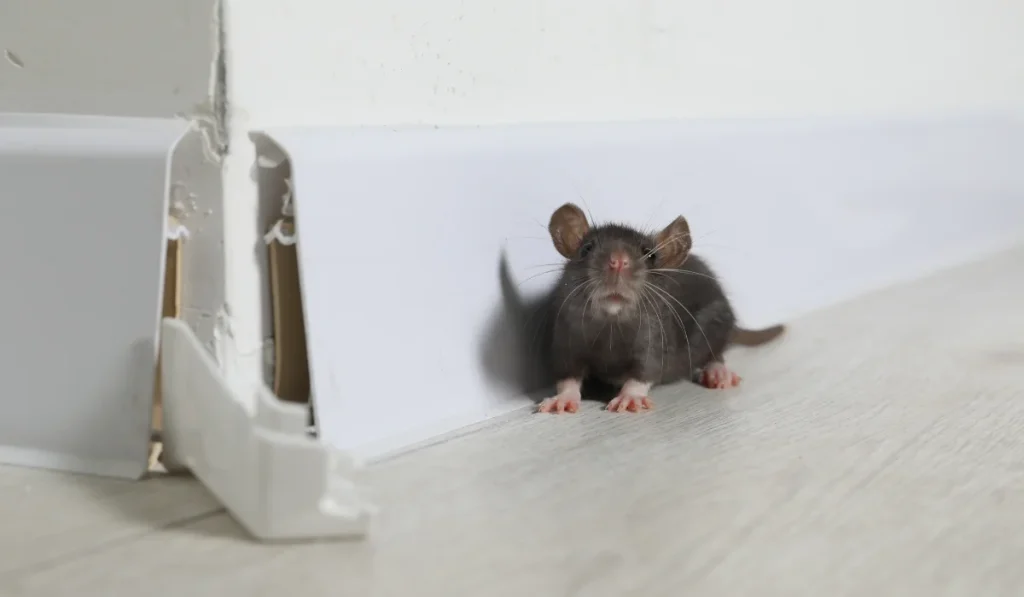
If you live in Sandy Springs, GA, seeing a rat in your home is never a welcome sight. Rats slip into attics, crawl spaces, and basements through tiny gaps. They leave gnawed electrical wires and droppings behind. Many homeowners do not realize that not all rats are the same.
Knowing the types of rats in Sandy Springs helps you choose the proper removal and prevention plan. In the Atlanta area, rats thrive year-round because winters are mild and food is readily available.
Homes near the Chattahoochee River, Roswell, or Alpharetta can attract several common rodent species, and sometimes even unwanted guests like raccoons and gophers. Local homeowners often rely on professional rat control in Sandy Springs, GA, to manage these issues before they spread.
This guide explains the most common types of rats in Sandy Springs homes. You will learn the signs of an infestation and how to keep rats out for good.
Key Takeaways:
- Roof rats and Norway rats are the two main rat species found in Sandy Springs homes.
- These rodents can cause structural damage and pose health risks, including leptospirosis and hantavirus.
- DIY methods rarely solve a full rodent infestation; professional exclusion and pest control are essential.
- Smart Solutions Wildlife Removal provides humane rodent control to help keep your home pest-free.
Roof Rats: The Climbers of Sandy Springs
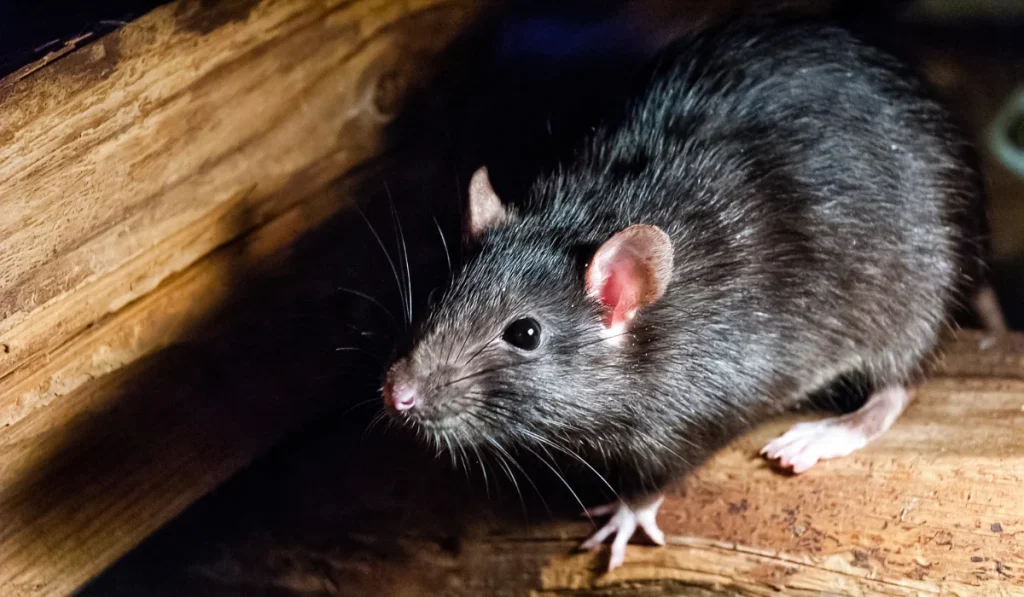
Roof rats are common in Sandy Springs and climb very well. Across the state, roof rats in Georgia often build nests in high places such as attics and rooflines, making them difficult to detect early.
At night, you may hear scratching or scurrying as they move in walls and crawl spaces. Roof rats enter through vents, soffits, and utility openings. Once inside, they chew wires and tear insulation for nesting materials.
They also leave greasy rub marks along walls and beams. Their droppings are spindle-shaped, which helps tell them apart from other rodents in Georgia.
Because roof rats often nest above living areas, they can contaminate insulation. Their urine and feces can spread disease; a key reason many homeowners ask, “Are roof rats dangerous?”
When roof rats invade, call for professional rodent control and exclusion. At Smart Solutions Wildlife Removal, we inspect rooflines, seal entry points, and set traps to stop the spread. Our licensed team identifies the types of rats in Sandy Springs homes and removes hidden nests.
Norway Rats: Burrowers That Damage Foundations
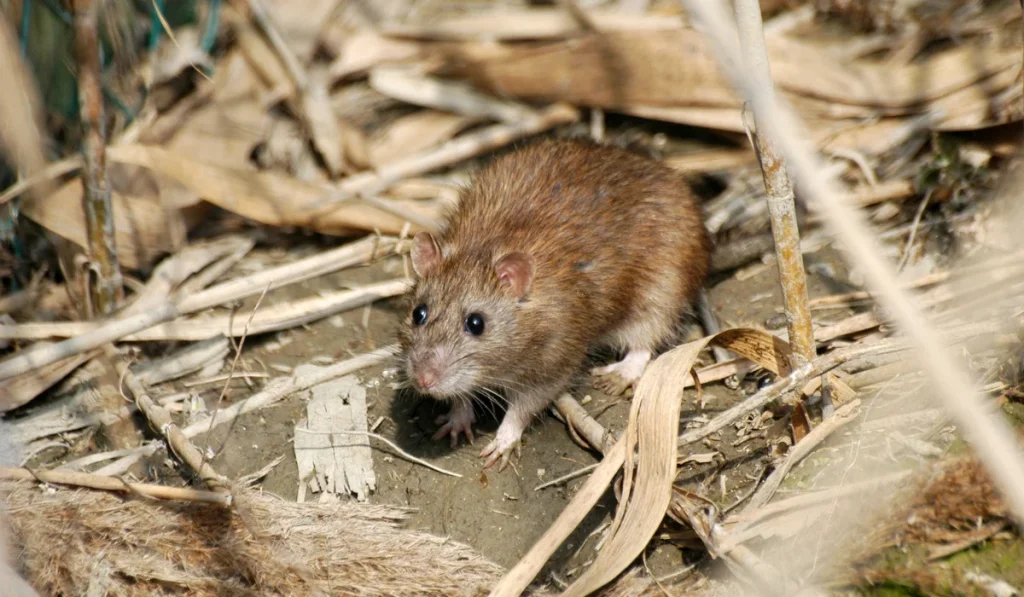
Unlike roof rats, Norway rats in Georgia prefer to stay low. They are heavier, have blunt snouts and coarse fur, and dig often.
In Sandy Springs, they burrow under patios, foundations, and basements. Their tunnels can weaken structures and create paths for other pests. Indoors, you may find Norway rats near garages, behind appliances, or in crawl spaces.
Their droppings are large and capsule-shaped. You may also see gnaw marks on wood or stored pet food. These signs point to an active infestation that can spread fast. Norway rats also pose health risks. They can contaminate food and spread disease to people and pets.
At Smart Solutions Wildlife Removal, we use trapping, sanitation, and exterior baiting to remove these rats and help prevent their return. Our certified team uses humane, effective treatments as part of a complete pest control service in Sandy Springs, GA.
Other Common Rodents Around Sandy Springs
The rats in your Sandy Springs home
Sandy Springs homes draw two rat species, and they live in different parts of the house. One climbs into attics and rooflines. The other burrows under the foundation.
Roof Rat
Norway Rat
While roof rats and Norway rats are the most common intruders, other common rodents in Georgia, such as the house mouse and deer mouse, can also sneak into homes across metro Atlanta.
These smaller pests are often mistaken for baby rats, but they breed much faster, leading to a full-blown rodent problem in just weeks.
- House Mouse: Small and curious, they enter through foundation cracks or poorly sealed doors. You’ll often find their droppings, which look like grains of rice, in kitchen cabinets or pantries.
- Deer Mice: More common around wooded lots and landscaping, they prefer attics and sheds. They’re known carriers of hantavirus, making professional cleanup critical.
- Volesand Chipmunks: These outdoor critters often damage woodpiles, gardens, and lawns but can also find their way indoors during colder months.
If you suspect any of these types of rodents on your property, our wildlife control team at Smart Solutions Wildlife Removal can identify the species, clean contaminated areas, and install preventive exclusion barriers to keep your home rodent-free.
Signs of a Rat Infestation in Sandy Springs Homes
A rat infestation often starts quietly. You may notice faint scratching at night, small droppings, or a strange odor near walls or the attic. Over time, these signs can lead to damage and health risks.
Watch for these warning signs:
- Hear scurrying in attics, walls, or ceilings.
- See grease trails or gnaw marks on wood and wires.
- Find chewed containers, especially near pet food or dry goods.
- Spot holes near utility lines or cracks that lead into basements or crawl spaces.
- Notice piles of shredded paper or insulation used for nests.
Even one rat sighting is a reason to call for help. At Smart Solutions Wildlife Removal, we offer fast inspections and a free quote to build the right treatment plan for your home.
Health Risks and Property Damage Caused by Rats
Rats are more than a nuisance; they’re a direct threat to your family’s safety and your home’s structure. In Georgia, these rodents can carry hantavirus, leptospirosis, and other diseases that spread through contaminated surfaces or air particles.
Rats also chew wires, which can pose a fire hazard. They damage insulation and drywall. Over time, urine can soak into walls, leaving strong odors and attracting fleas.
These problems grow over time, so act early. At Smart Solutions Wildlife Removal, we use humane methods and careful cleanup to remove contamination and protect your home.
Effective Rat Prevention and Exclusion in Sandy Springs
To stay rodent-free in Sandy Springs, focus on exclusion. Seal every gap larger than a quarter inch. Rats slip in through plumbing voids, roof returns, and gaps around garage doors. Regular monitoring also helps spot new rodent activity before an infestation spreads.
At Smart Solutions Wildlife Removal, our team starts with a full inspection of entry points rodents use to get inside Georgia homes, including crawl spaces and attics. We find weak spots, make repairs, and set up ongoing monitoring with our SmartGuard plans.
Regular pest control treatments keep your property protected year-round. Whether you’re in Marietta, Roswell, or Alpharetta, our team ensures your home stays safe from rats and other critters. Our exterminators are locally based and trained in the latest North American-approved rodent-removal methods for lasting results.
Making the Right Rodent Control Choice for Your Sandy Springs Home
Protecting your home from rats is about more than removal; it’s about keeping them from coming back. A reliable plan includes sealing entry points, improving sanitation, and checking high-risk areas before minor problems grow.
At Smart Solutions Wildlife Removal, we offer long-term prevention built on local knowledge and proven methods that fit Sandy Springs homes and neighborhoods.
Contact us today for a free inspection and customized plan to keep your home clean, safe, and rodent-free.
FAQs
What attracts rats to Sandy Springs homes?
Rats seek warmth, shelter, and food. Cluttered garages, open trash bins, and accessible crawl spaces often attract them. Keeping food sealed and sealing gaps can help reduce activity.
Are roof rats more dangerous than Norway rats?
Both species carry diseases and can cause severe structural damage, but roof rats are more likely to spread pathogens because they nest in higher, warmer areas of homes.
How can I tell if I have rats or mice?
Rat droppings are larger, and rats are generally heavier with thicker tails. Mice are smaller, with finer gnaw marks and more frequent droppings. A professional inspection can confirm which types of rodents are present.




