
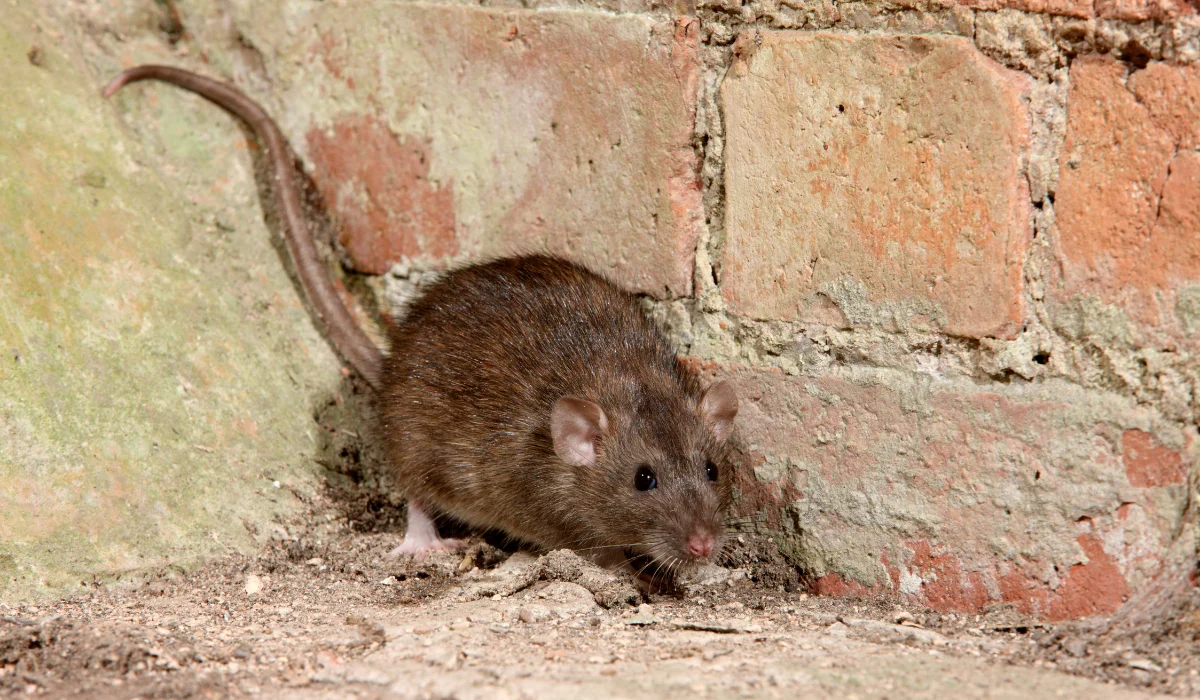
If you’re hearing squeaks behind the walls or spotting gnaw marks near food storage, you might be facing a rat problem. Norway rats, also known as sewer rats or brown rats, are a common issue across Georgia, especially in urban areas like Atlanta.
Nationwide, rodents are responsible for around $19 billion in economic losses each year, from damaged structures to contaminated food supplies and chewed wiring that can spark house fires. Spotting the signs early can help you prevent costly damage and health risks.
In this article, we’ll show you how to spot a Norway rat infestation, what treatment methods work best, and how to keep them from coming back for good.
Key Takeaways
- Norway rats in Georgia leave behind droppings, gnaw marks, and greasy trails in crawl spaces.
- Hearing squeaking or scratching in walls, especially near food sources or wiring, can signal an active rat infestation.
- Effective control methods include snap traps, bait stations, and live traps, depending on the severity of the infestation.
- Sealing entry points and hiring a professional rat control company can help prevent Norway rats from coming back.
How to Identify Norway Rats in Georgia
In Georgia, rodent infestations are a significant concern, with some counties reporting that over 27% of homes have experienced rodent problems, more than three times the state average of 8.3%. These rodents can cause significant structural damage and health risks for homeowners if left unchecked.
Rats are sneaky, but Norway rats have specific behaviors and traits that set them apart from other rodents like roof rats.
Here’s what to look for to get ahead of a rodent infestation.
Size and Appearance
You can recognize a Norway rat by its stocky build and blunt nose. These rodents typically grow to about 16 inches in length, including their tail.
Compared to roof rats, which are sleeker and better climbers, they have smaller ears and a more robust body. This makes them less likely to live in trees and more likely to stick to ground-level spots like basements and crawl spaces.
Droppings
Finding droppings around your home is a clear warning sign. Norway rat droppings are large, capsule-shaped, and dark brown. You might see them near food sources, in attics, or around pet food dishes.
Unlike house mice, these rats leave larger droppings and more of them due to their size and higher food intake.
Gnawing and Gnaw Marks
Constant gnawing is part of a rat’s life. Their teeth never stop growing, so they chew on everything: wood, plastic, and even electrical wiring.
If you’re seeing gnaw marks around wiring, drywall, or stored belongings, that’s a solid indication of Norway rat activity and a potential fire hazard.
Runways and Grease Trails
Norway rats tend to stick to familiar paths. Over time, these runways become visible as smudge marks from their oily fur.
Check along walls, behind appliances, or under furniture. These trails can lead directly to nesting spots or entry points.
Noises and Nesting Sites
At night, you may hear squeaking, scratching, or scurrying noises, especially if rats have set up nests in your attic or walls. They often use soft materials like insulation, paper, or even clothing to build nests.
Female Norway rats can produce 3-6 litters a year, which makes infestations spread quickly.
How to Treat a Norway Rat Infestation in Georgia
Once you’ve confirmed rat activity, choosing the right control method is your next step.
Not every situation calls for the same approach, so here are a few proven options that can help you tackle a Norway rat infestation effectively:
Snap Traps
Snap traps are a classic solution for a reason. They’re quick and effective, especially with attractive food baits like peanut butter or dried pet food.
Place traps near areas with signs of rat activity, like crawl spaces or pantries.
Bait Stations
Professional exterminators often use bait stations that safely contain rat poison. These are ideal for serious infestations, especially when you have children or pets around.
Unlike DIY poison, bait stations limit access and help reduce growing rat populations.
Live Traps
Live traps offer a humane approach for catching and releasing rats. These traps work best when placed near known rat pathways and baited with strong-smelling food.
Be sure to release trapped rats far from your home to prevent them from returning.
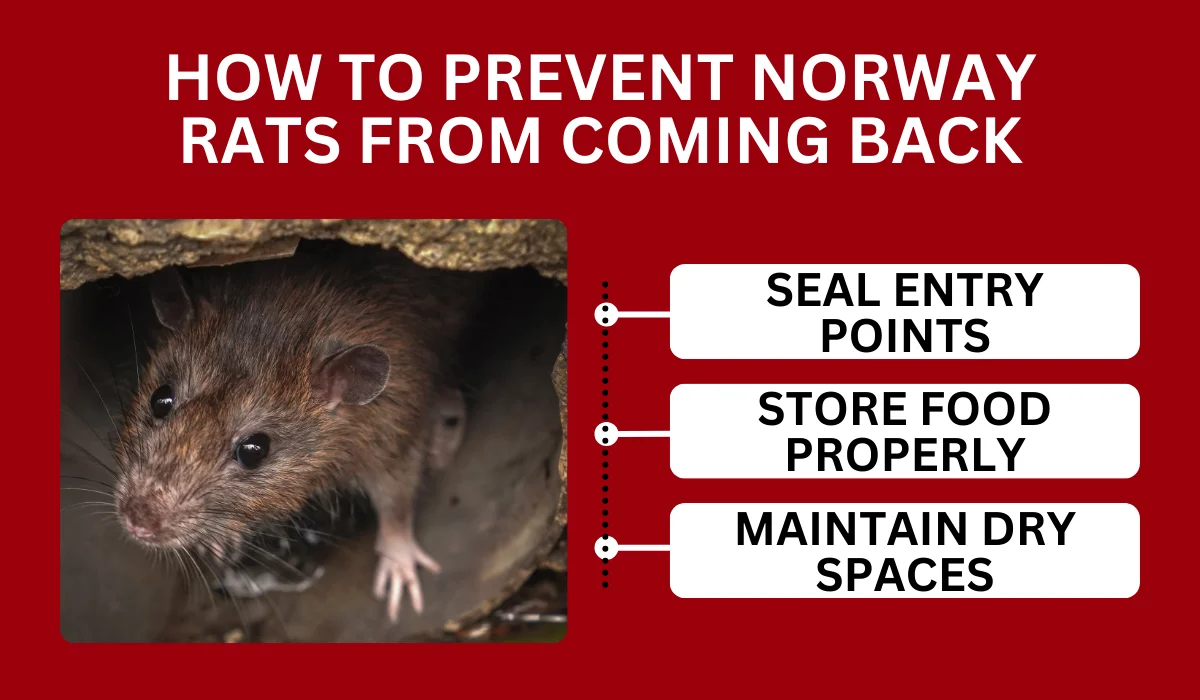
How to Prevent Norway Rats from Coming Back
Getting rid of Norway rats is only half the battle. If you want to keep them from coming back, you’ll need to make your home less inviting. Wildlife, including rodents, causes millions of dollars in damage annually in Georgia, affecting crops, landscapes, and property structures.
Here’s what you can do to stop them from settling in again:
Seal Entry Points
Use caulk, steel wool, and hardware cloth to seal small cracks and holes, especially around utility lines, vents, and crawl space doors.
Norway rats are strong for their size and can chew through weak materials, so durable sealing is key.
Store Food Properly
Open food, pet food, and even birdseed can attract rats quickly.
Store food in airtight containers and keep your kitchen and pantry tidy. Don’t forget outdoor garbage cans. Secure them with tight lids and store them away from your home’s foundation.
Maintain Dry Spaces
Norway rats prefer damp, hidden spots like basements and crawl spaces.
Make sure these areas are well-ventilated and dry. Consider installing a sump pump or using a dehumidifier if moisture is a recurring issue.
Keep Norway Rats Out of Your Georgia Home
Whether you’re dealing with a few rats or a full-blown rodent infestation, professional help can make a big difference. Norway rats are persistent, but with help from a pest control company, you can protect your home and your family.
At Smart Solutions Wildlife Removal, we offer professional pest control services in Atlanta and throughout Georgia, handling everything from identifying entry points to full rodent control solutions.
Call us today to schedule an inspection and get ahead of rat problems before they take over your home.




