
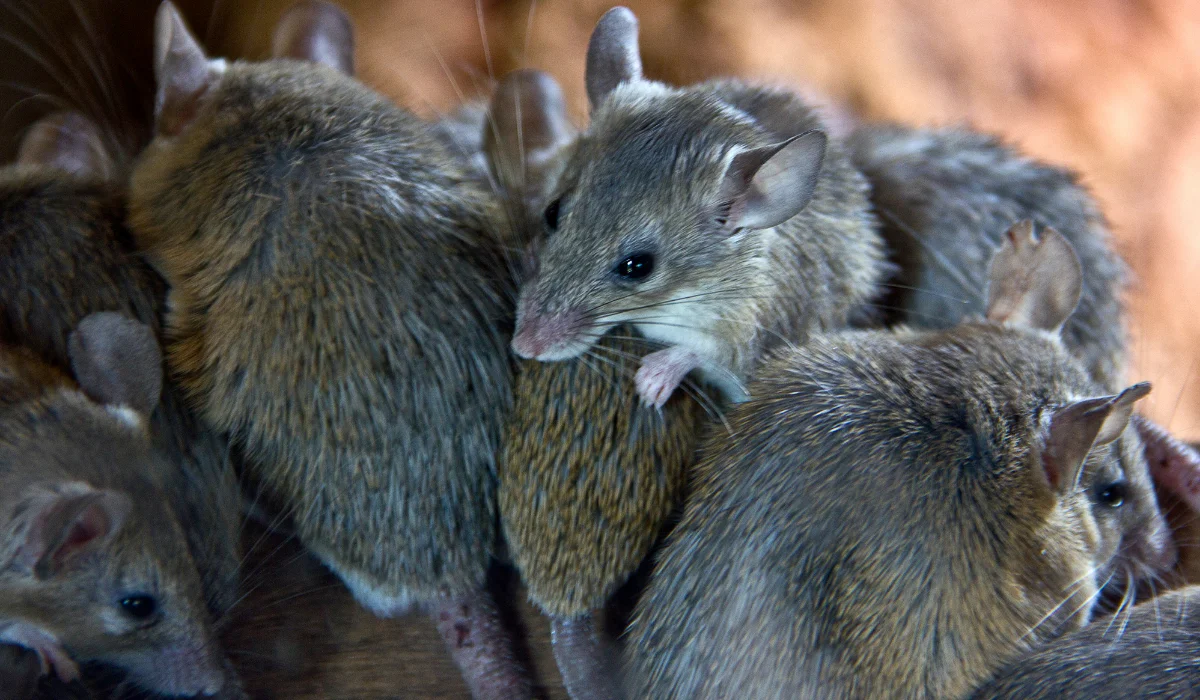
If you own a home in Georgia, you know that rodent issues can persist throughout the year. Warm weather and wooded areas let mice and rats move into attics, garages, and crawl spaces. These rodents often go unseen until you spot droppings, hear scratching, or find gnaw marks on wood or food containers.
A single mouse can lead to a fast infestation. Rodents chew wiring, insulation, and drywall, which can cause fires and structural damage. They can spread leptospirosis and hantavirus, which can harm your family and pets.
This guide provides instructions on identifying common rodents, recognizing early signs, and preventing infestations in homes throughout Georgia. You’ll also learn when to call a professional and how experts remove rodents and prevent them from returning.
Key Takeaways
- Rodents remain active throughout the year in Georgia. The mild climate allows them to breed frequently, so prevention must be ongoing.
- Different species cause different issues. Roof rats hit attic insulation, Norway rats burrow near basements, and deer mice spread disease in rural areas.
- Clean habits help most. Store food in sealed containers, repair cracks at the base of walls, and seal gaps around doors and vents.
- Pest control pros give lasting protection. They identify the species, block entry points, and safely remove rodents.
Common Types of Rodents in Georgia
There are different types of rodents common in Georgia, with the most common rodent species being house mice, roof rats, Norway rats, deer mice, and woodrats. You may also see chipmunks, voles, gophers, and muskrats in yards and gardens. These animals help the local ecosystem, but they become a problem indoors.
Georgia homeowners can have a hard time telling the difference between mice and rats. Knowing how to tell them apart is essential for proper control:
- House mice are small and gray. They can squeeze through dime-sized holes.
- Roof rats, or black rats, climb well and prefer attics, eaves, and upper walls.
- Norway rats in Georgia, also known as brown rats, are heavy-bodied and often burrow near foundations or under decks.
- Woodrats, also known as packrats, build messy nests from twigs and other materials, such as insulation. They may collect shiny items.
- Deer mice are found in rural areas and can carry the hantavirus.
Knowing each species’ habits helps you and your pest professional choose the proper prevention and removal methods.
Signs of Rodents Around Your Home
Catch signs early to stop a full infestation. Look for droppings, gnaw marks, and shredded paper or fabric. You may hear scratching sounds in the walls or ceilings at night.
Roof rats in Georgia leave trails in attic insulation. Norway rats dig tunnels near basements or foundations. Mice leave tiny black droppings along baseboards and under sinks. Holes in food packaging are a clear sign of rodent activity.
Check hidden spots, such as inside or under cabinets, crawl spaces, and garages. A strong, musty smell can point to an active nest.
Why Georgia Homes Attract Rodents
Georgia’s warm, humid climate gives rodents food, water, and shelter. Cracks in siding, gaps under doors, and damaged vents create easy entry points for pests.
Once inside, rodents nest in attics, basements, and walls, particularly in areas where boxes or clutter accumulate. Pet food, bird feeders, and open trash cans draw them toward your house. A small spill or unsealed grain bag can feed mice for weeks.
Inside, they chew on wiring and insulation to build nests, leading to costly damage if left unaddressed. Seal gaps, clean up food, and keep storage tidy to lower your risk.
Health Risks and Property Damage
Rodents are more than a nuisance; they carry serious health risks. Their droppings and urine can spread diseases such as leptospirosis, hantavirus, and Salmonella. Fleas carried by rodents can also bite pets and humans, spreading additional illnesses, such as Flea-borne Typhus.
Constant gnawing can destroy insulation, damage pipes, and harm electrical wiring. These problems lead to costly repairs and can cause fires or significant structural damage.
Frayed wires or small chew marks on furniture indicate that rodents may already be present. Regular cleaning is not enough after a rodent infestation.
With professional help, you can remove all droppings, disinfect contaminated areas, and prevent the cycle from worsening.
Simple DIY Prevention for Homeowners
Prevention is easier than cleanup. Inspect your home for cracks and gaps, especially where pipes, wires, or cables enter. Seal small gaps with caulk and steel wool.
Check under decks, porches, and around exterior doors for openings. Store dry goods and pet food in sealed containers. Clean up crumbs right away. Wipe down counters and sweep floors daily.
Trim trees and shrubs so branches do not touch the roof. For minor issues, use traps or bait stations, but expect only short-term results. If activity continues, call a rodent control professional for an inspection and a Georgia wildlife exclusion plan.
When to Call Pest Control Experts
If you hear scratching in the walls, see droppings in multiple rooms, or notice burrows near your foundation, contact pest control experts immediately. A licensed pest control company can locate nests, identify the species, and safely remove rodents.
At Smart Solutions Wildlife Removal, we offer comprehensive rat control services in Georgia, including inspection, trapping, and sealing entry points. We also sanitize affected areas to remove odors and bacteria.
Our SmartGuard Plus plan gives year-round protection for homes across Atlanta and North Georgia. Professional help removes rodents now and protects your home from future infestations.
Cleaning up Safely After Rodents
After removal, safe cleanup is critical. Droppings, urine, and nesting materials can carry harmful germs.
Clean the right way. Wear gloves and a mask. Do not vacuum droppings with a regular vacuum, since it can push harmful particles into the air.
Proper cleanup not only protects your health but also makes your home less attractive to pests.
Making the Right Choice for Your Georgia Home
Rodents live in Georgia’s ecosystem, but they do not belong in your home. They breed fast and cause damage, so even a small infestation can become a big problem.
You can handle basic prevention, but lasting protection often needs a pro. At Smart Solutions Wildlife Removal, we use safe, humane, effective methods to remove rodents, repair damage, and prevent future infestations.
If you have rodents in your attic or walls, contact us today for prompt removal and prevention services.
FAQs
What are the most common rodents in Georgia homes?
House mice, roof rats, Norway rats (Rattus norvegicus), woodrats, and deer mice are the most common. Each type prefers different nesting areas, such as attics, basements, or outdoor burrows.
How do I know if I have rodents?
Look for droppings, gnawing marks, shredded nesting materials, or scratching sounds. You may also notice odors or holes chewed into food packaging.
When should I call a professional?
If traps don’t work or you continue to find droppings, it’s time for professional help. Pest control experts can safely handle extermination, cleanup, and long-term prevention.




