
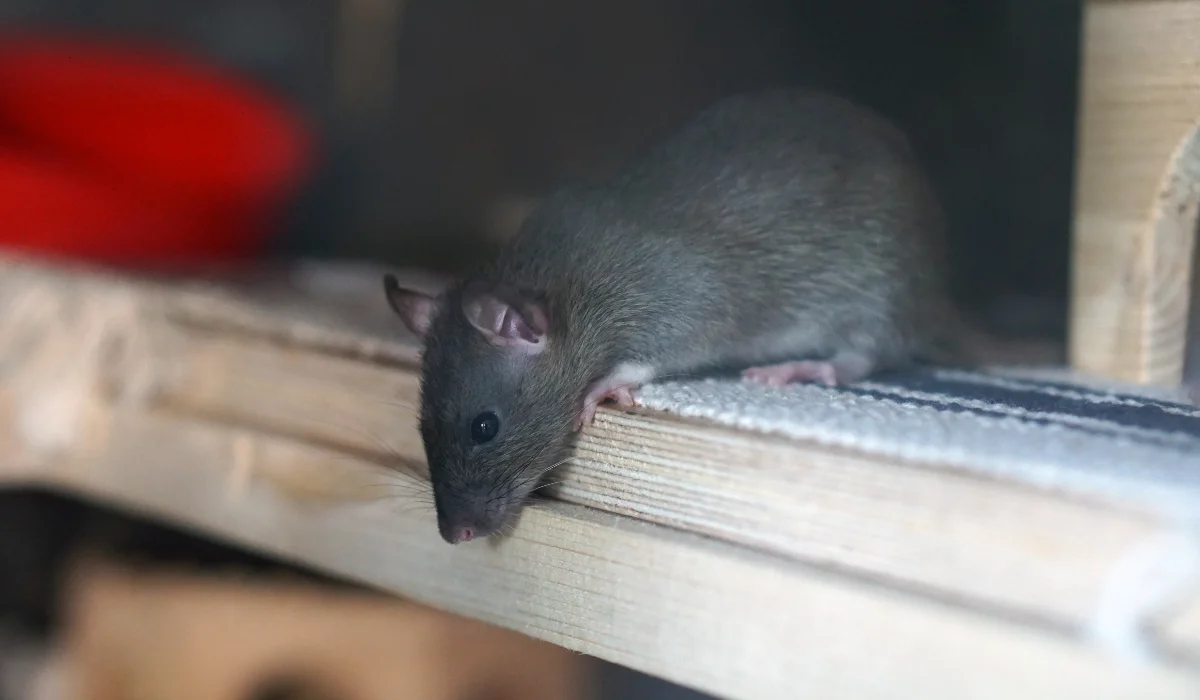
Rodents are a common problem for Georgia homeowners. If you see droppings in the garage, bite marks on food boxes, or hear steps in the attic at night, they are likely inside.
Rodents squeeze through small cracks and gaps in basements, crawl spaces, and around utility lines. House mice fit through a dime-sized hole. Roof rats climb wires. Norway rats dig under the foundation.
Once inside, they chew electrical wiring and contaminate food. They can spread diseases such as leptospirosis and hantavirus.
The good news is that you can stop them. This guide shows common entry points, clear signs of activity, why DIY fixes fail, and how sealing keeps your Georgia home protected.
Key Takeaways
- Common entry points: garages, basements, rooflines, and utility lines.
- Signs include droppings, bite marks, shredded nesting materials, and nighttime sounds.
- Seal gaps with steel wool and caulk; pros also close hidden openings.
- Prevent with checks, tight food storage, trimming, and safe bait stations.
Common Entry Points Around A Georgia Home
Entry points are smaller than most people think. Mice slip through a dime-size hole; rats need only a quarter-size gap. Small openings let them enter and start nesting.
Garages and basements are common access points. Mice slip under loose garage seals. Norway rats burrow near the foundation and use cracks to get inside. Roof rats climb. They use wires, branches, and fences to reach soffits, roof vents, and attics.
Other potential entry points include gaps in siding, spaces at baseboards, and holes for pipes or cables. Food and nesting nearby draw them in. Without sealing, a few rodents can turn into an infestation.
Signs Of Rodent Activity Near Entry Points
There are different types of rodents commonly found in Georgia. They leave clear signs, especially near entry points.
Rodents rarely move through your home without leaving evidence of their presence behind. Georgia homeowners may wonder whether mice or rats are more dangerous. The simple answer is that both rodents present real threats, but in different ways.
Droppings are often the first clue to rodent infestations. These tiny pellets may appear near food packaging in your pantry, behind appliances, or along baseboards. Roof rat droppings pose a serious health risk, making them a hazardous presence. Exposure to their waste can result in hantavirus infection.
In garages and basements, droppings often collect in corners. Bite marks on wires, boxes, or baseboards are also common. In attics or crawl spaces, look for shredded paper, insulation, or other materials commonly used for nesting.
The type of rodent often determines the evidence you see. One way you can identify roof rats in your Georgia home is through the greasy rub marks they usually leave on siding, vents, and utility lines they climb across.
Meanwhile, you can identify Norway rats by their stocky build and blunt nose. They also prefer the ground, so their activity shows up as fresh burrows near a home’s foundation, sheds, or decks. Scurrying sounds in the walls at night or damage to food storage containers indicate an active rodent infestation that requires prompt attention.
Ignoring these signs can lead to structural damage over time, since rodents chew through wood and insulation while building nests.
How Sealing Entry Points Protects Your Georgia Home
Sealing entry points is one of the most effective ways to keep rodents out of your home for good. Instead of relying on traps or poisons after rodents have entered, exclusion focuses on preventing them from getting inside.
Every gap, crack, and opening around your home can allow rodents to enter. Closing these spaces with durable materials such as steel wool, copper mesh, and exterior-grade caulk blocks the spots where mice and rats squeeze through.
Professional exclusion experts also inspect hidden areas, such as roof vents, crawl spaces, pipe openings, and utility lines, to ensure they cover every possible entry point.
When these weak spots stay unsealed, rodents can cause more than just noise and mess. Over time, they chew through insulation, drywall, and even electrical wiring, which increases the risk of fires and structural damage.
Sealing gaps early helps keep your home cleaner, safer, and more energy-efficient by preventing drafts and pest activity simultaneously.
Why DIY Sealing Isn’t Always Enough
DIY fixes may seem quick, but they often don’t last. Roof rats climb, Norway rats dig, and both will find new gaps if you miss even small openings.
Professional teams use a comprehensive plan: trap current rodents, seal every gap, and remove nests to prevent their return. A licensed pest control company can identify the species and match the proper treatment to your home.
Preventative Measures To Reduce Rodent Infestations
Sealing is a strong start, but preventive steps are essential to keep rodents from returning. Keep garages and basements clear so they cannot hide. Store food in tight containers and clean droppings or nesting fast. Check the siding, baseboards, and foundation regularly to spot new gaps early.
Use outdoor bait stations to reduce activity. Trim tree branches and seal new cracks to prevent roof rats and Norway rats from entering the block. These steps help all year.
Hiring professional pest control services in Georgia provides an extra layer of protection, especially during peak rodent season. Experts can find small openings you might miss and recommend long-term exclusion options.
Making The Right Rodent Control Choice For Your Georgia Home
A lasting fix for rodent problems comes from knowing where they enter and keeping those areas sealed for good. Consistent monitoring and professional exclusion stop new activity before it begins.
Smart Solutions Wildlife Removal provides expert rat control in Georgia, utilizing proven methods to seal entry points and safeguard your home year-round.
Contact us today to schedule an inspection and keep your home safe from unwanted rodents.
FAQs
What Are The Most Common Rodent Entry Points In Georgia Homes?
Garages, basements, rooflines, and cracks in the foundation are common entry points for pests. Roof rats climb utility lines, Norway rats dig burrows, and house mice use gaps near baseboards and food storage areas.
How Do I Know If I Have Rodent Activity Near Entry Points?
Droppings, gnaw marks, shredded nesting materials, and greasy rub marks are signs of rodent infestations. Scurrying sounds and damaged food packaging are also telltale signs.
Can Sealing Entry Points Prevent Future Infestations?
Yes. Using steel wool, caulk, and other durable materials blocks rodents from re-entering. When combined with professional pest control and regular inspections, sealing entry points helps stop future infestations.




