
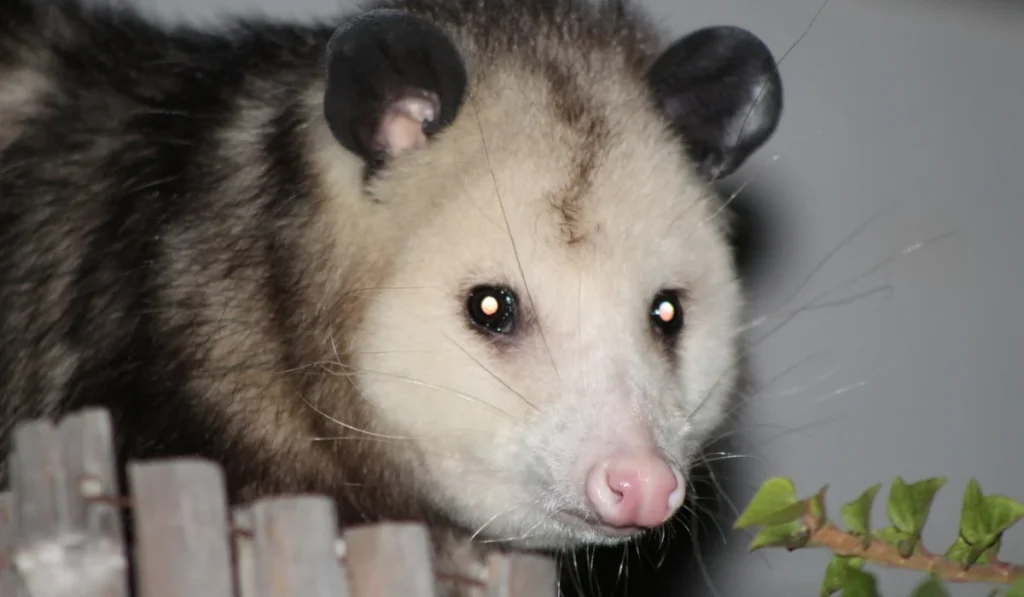
Spotting a possum in Georgia near your trash cans or beneath your deck doesn’t necessarily mean you have a wildlife problem. The Virginia opossum is a native animal that generally avoids people and helps clean up its surroundings by eating insects, fallen fruit, and carrion. Trouble starts when accessible food encourages repeat visits or an animal begins sheltering beneath your home. Here’s how to recognize Georgia possums, understand their behavior, identify signs of ongoing activity, and handle an encounter safely.
What Kind of Possum Lives in Georgia?
The Virginia opossum (Didelphis virginiana) is the native opossum species found in Georgia. Although “possum” is the name most homeowners use, “opossum” is the correct term for this North American animal.
Virginia opossums live in forests, suburban neighborhoods, and urban areas. Homes near wooded property lines, parks, and green spaces provide opportunities for these animals to find food and shelter. It’s not unusual to encounter one in a backyard around Roswell, Alpharetta, or other Metro Atlanta communities.
How to Identify a Virginia Opossum
A Virginia opossum has a grayish coat, a pale face, a pointed snout, and rounded ears. Its long, nearly hairless tail makes it easy to distinguish from a squirrel.
According to the National Wildlife Federation’s Virginia opossum guide, these animals have features that make them skilled climbers. Their prehensile tails can grip branches, while their feet help them maintain a firm hold on uneven surfaces.
Opossums also have 50 teeth, more than any other North American land mammal. If one opens its mouth and shows its teeth, it’s usually displaying a defensive warning rather than preparing to bite.
How Opossums Differ From Other Georgia Wildlife
Virginia opossums are marsupials. Females carry and nurse their developing young in a pouch, unlike familiar Georgia mammals such as squirrels and raccoons.
They’re generally solitary and spend much of their active time searching for food. Rather than building elaborate nests, they can use existing sheltered spaces, including hollow logs and areas beneath structures.
That adaptability helps them live close to residential neighborhoods without depending entirely on human food or shelter.
What Do Possums in Georgia Eat?
Opossums in Georgia are omnivores, meaning they eat both plants and animals. Their natural diet includes insects, fruit, small animals, and carrion, or the remains of dead animals.
They eat a variety of available foods, but residential properties can offer easier meals. An uncovered trash can, leftover dog food, or fallen fruit beneath a tree may encourage an opossum to return.
Do Possums Eat Ticks?
Yes, opossums can eat ticks, but claims that they routinely consume thousands each week are not supported by reliable field evidence.
The study Are Virginia opossums really ecological traps for ticks? Groundtruthing laboratory observations, available through PubMed’s scientific literature database, challenges the popular belief that opossums consistently remove large numbers of ticks from the environment.
While ticks can be part of an opossum’s diet, keeping one around isn’t a dependable strategy for tick prevention. Maintaining your yard and reducing dense vegetation around frequently used outdoor areas are more direct ways to limit tick-friendly conditions.
Why Do Possums Come Out at Night?
Virginia opossums are primarily nocturnal. They usually rest during daylight hours and become more active after sunset, searching for food along wooded edges, fences, and other sheltered routes.
An opossum walking across your driveway after dark is usually behaving normally. It may be traveling between feeding areas rather than looking for a place to live.
Seeing one during the day doesn’t automatically mean it’s sick. Daytime movement can occur, so assess the animal’s overall condition instead of treating the time of day as evidence of disease.
Signs a Possum Is Living Near Your Home
A single backyard sighting is rarely enough to establish that an opossum has settled on your property. Repeated movement through the same opening, especially beneath a deck or crawl space, deserves closer attention.
Look for patterns rather than relying on one clue. Scratching noises, disturbed food, and frequent sightings may indicate ongoing wildlife activity, but none of these signs identifies an opossum on its own.
Scratching Beneath Decks and Crawl Spaces
Raised decks, porches, and crawl spaces can provide sheltered resting places. An opossum may enter through an accessible opening and remain out of sight during much of the day.
If wildlife is moving beneath your home, you might hear scratching, rustling, or movement under the floor. Listen for where the sounds originate and whether they return over several days.
Scratching alone won’t tell you which animal is responsible. Raccoons, rats, and squirrels can make similar noises, and squirrel infestations in Georgia can involve activity around structural openings and sheltered spaces.
Don’t crawl beneath a deck to investigate noises or try to reach an animal hiding there. Watch for movement from a safe location and note the opening it uses.
Disturbed Trash and Pet Food
An opossum may visit your yard repeatedly if it finds food there. Unsecured garbage, outdoor pet bowls, and fallen fruit provide convenient meals.
You might discover a tipped trash container, scattered scraps, or a pet bowl that has been emptied overnight. These signs indicate that an animal has been feeding nearby, although raccoons, stray cats, and other wildlife can cause similar disturbances.
If you’ve seen an opossum approaching the same food source on several nights, start by removing that attraction. There’s little reason to consider removal when the animal is only visiting for an accessible meal.
Is the Possum Visiting or Sheltering?
The difference matters because a passing animal usually needs no intervention, while one occupying a crawl space may require an inspection.
| What You Notice | What It Could Mean | What to Do |
| One opossum crossing the yard | Normal nighttime travel | Allow it to leave |
| Repeated visits to trash cans | Easy access to food | Secure garbage and remove food sources |
| Scratching beneath a deck | Possible wildlife shelter | Observe the area without approaching |
| Repeated entry into a crawl space | Potential ongoing occupancy | Arrange a wildlife inspection |
| An injured or unusually behaving animal | Possible distress or illness | Keep pets and people away and seek appropriate assistance |
If you see an opossum entering the same opening repeatedly, note where it goes and when the activity occurs. Those details can help a wildlife professional determine whether the space is occupied.
Are Possums in Georgia Dangerous?
Virginia opossums generally avoid confrontation. When they encounter people, they often attempt to escape, remain still, or display defensive behavior.
They can bite if trapped or handled, so treat them as wild animals rather than pets. Give them room to leave and keep dogs from approaching.
Can Possums Carry Rabies?
Rabies is uncommon in opossums, but they’re not immune. The belief that their body temperature makes infection impossible is incorrect.
The Centers for Disease Control and Prevention’s rabies guidance explains how exposure occurs and what to do after contact with an animal that may be infected.
You can’t determine whether an animal has rabies simply by looking at it. If an opossum bites or scratches you, wash the wound thoroughly with soap and water and seek prompt medical advice.
Keep children and pets away from wildlife that appears injured, disoriented, or unable to move normally. Contact an appropriate wildlife professional rather than attempting to capture a sick animal yourself.
Why Do Possums Play Dead?
“Playing possum” describes an actual defensive response. When severely frightened, an opossum can enter an involuntary state called thanatosis, becoming motionless and appearing dead.
The animal isn’t consciously pretending to be dead. This response occurs under extreme stress and can make it difficult for an observer to tell whether it’s alive.
Before reaching that state, an opossum may hiss, show its teeth, or try to escape. These reactions are meant to discourage contact.
If you find a motionless opossum, leave it undisturbed and keep pets away. Don’t poke it or attempt to move it to check whether it’s alive.
Can Possums Hurt Dogs or Cats?
Most opossums prefer avoiding pets, but a cornered animal may bite in self-defense.
Dogs may create a confrontation when they investigate an opossum beneath a porch or near an outdoor food bowl. Cats may also encounter opossums while roaming outside.
If your pet approaches one, call the pet indoors and give the wildlife a clear escape route. Avoid placing your hands between the animals.
If a bite or other injury occurs, contact your veterinarian for advice.
How to Keep Possums Away From Your Georgia Property
The most effective prevention starts with removing the food and shelter that bring opossums close to your home. An animal that consistently finds easy meals has a reason to return, even if you temporarily frighten it away.
Focus on garbage storage, outdoor feeding habits, and accessible spaces beneath structures before considering other deterrents.
Remove Easy Food Sources
Start with the places where animals are most likely to find food. A few routine changes can make your property less attractive:
- Keep garbage in sturdy containers with secure lids.
- Bring pet food indoors after feeding, particularly before dark.
- Sweep up spilled kibble around porches and patios.
- Collect fallen fruit regularly.
- Keep food scraps out of accessible compost piles.
If your trash cans are frequently tipped over, check whether they’re stable and properly closed. Removing access to the food matters more than cleaning up the mess afterward.
Once these attractants are gone, observe whether the visits continue before assuming the animal has established shelter nearby.
Check Decks, Crawl Spaces, and Exterior Openings
Walk around your home and look for spaces beneath decks, damaged crawl-space covers, unsecured vents, and gaps around outbuildings.
Vegetation and stored materials near the foundation can provide cover as wildlife moves around the property. Keep these areas accessible enough to inspect without disturbing an animal that may already be present.
Many of the structural precautions involved in rodent-proofing Georgia homes also help homeowners recognize openings that need attention, although exclusion materials and methods must suit the species involved.
Don’t immediately seal a suspected den entrance. An opossum could still be inside, and a female may have dependent young. Closing an occupied space risks trapping animals beneath your home.
Before completing repairs, confirm that the area is empty. A wildlife inspection is the safer choice when you can’t determine whether an animal is still using the opening.
Are DIY Possum Repellents Effective?
Homeowners sometimes try strong odors, loud noises, or household repellents to drive opossums away.
These methods don’t reliably resolve a recurring problem when food and shelter remain available. Even if an animal avoids the area temporarily, it may return when the disturbance stops.
Avoid grabbing, cornering, or forcing an opossum out from beneath a structure. Besides the risk of a bite, you may separate a female from dependent young or drive the animal farther into an inaccessible space.
Address the attraction first. If the animal continues entering a sheltered part of your home, arrange an inspection rather than escalating DIY removal attempts.
When Is Professional Possum Removal Necessary?
A possum crossing your yard doesn’t usually require removal. Professional assistance becomes more appropriate when an animal repeatedly enters your crawl space, becomes trapped in a structure, or appears to be sheltering with young.
The first priority is identifying the animal and confirming whether it occupies the space. Removing wildlife before understanding how it entered can leave the original problem unresolved.
What Happens During a Wildlife Inspection?
A wildlife specialist examines the affected area for activity, access points, and signs that an animal may be sheltering inside.
This matters because several species can produce similar scratching sounds and use the same types of protected spaces. The inspection helps establish whether you’re dealing with an opossum or another animal.
A professional can also assess whether dependent young may be present and determine when exclusion work can be completed without trapping animals inside.
The findings should guide the next steps, including repairs and measures to reduce future wildlife access.
Why Is Professional Exclusion Safer?
Removing an opossum without correcting an accessible opening leaves the space available to other animals.
Proper exclusion addresses the entry point after confirming that wildlife has left safely. It may also involve securing damaged covers or other vulnerable areas around the structure.
Georgia regulates certain wildlife management activities, including trapping and relocation. Requirements depend on the circumstances, so homeowners should not assume that capturing an animal and releasing it elsewhere is automatically permitted.
Professional assistance helps avoid unsafe handling and supports a more complete approach to preventing repeat occupancy.
Keep Your Home Protected Without Harming Georgia Wildlife
A possum in Georgia doesn’t have to become a household problem. These animals usually pass through residential properties while looking for food, and most encounters can end without intervention.
If visits become frequent, remove food sources and inspect potential shelter locations. Repeated movement beneath your deck or into a crawl space deserves further investigation, especially when you can’t confirm whether the area is occupied.
Smart Solutions Wildlife Removal and Pest Control helps homeowners identify wildlife activity and address access points around their properties. If you’re in the Roswell area, you can also view local wildlife and pest control services in Roswell.
When an animal is repeatedly entering part of your home, contact Smart Solutions to request a wildlife assessment. Identifying the source of activity and correcting the conditions that attract wildlife can help protect your property without unnecessary handling of the animal.




