
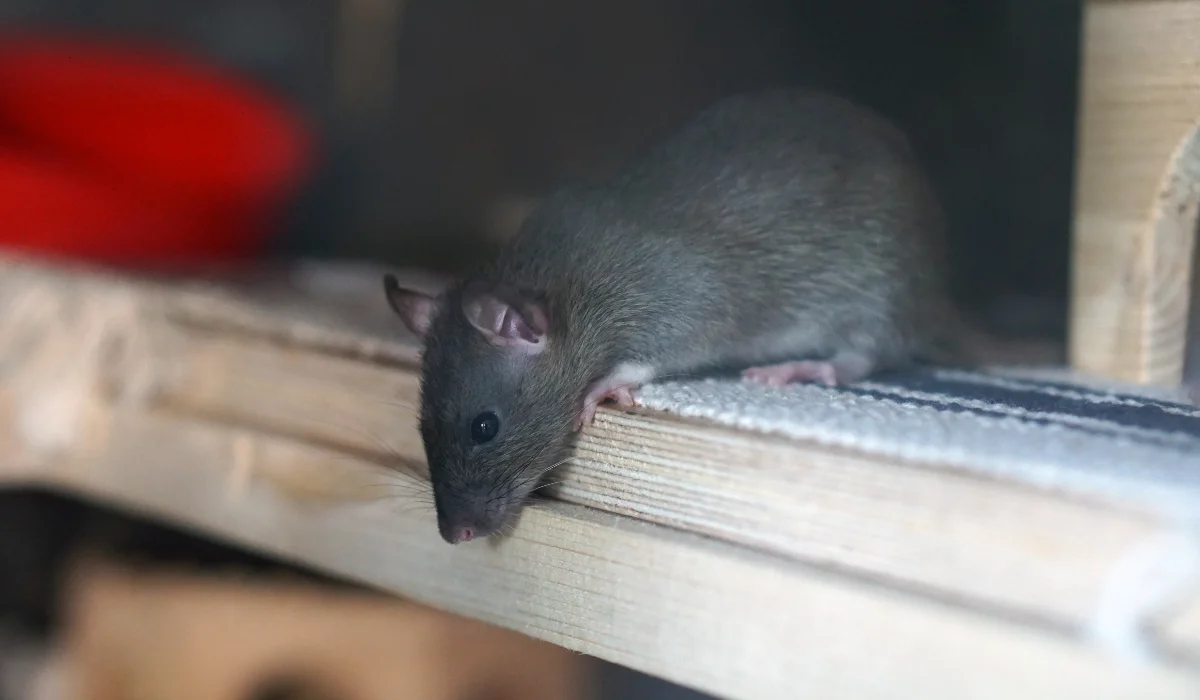
When October nights turn cool in Georgia, rats look for warm, safe spots. Basements, crawl spaces, and garages become easy targets for theft. Once inside, they chew food packages and can spread disease.
Roof rats, Norway rats, and even house mice do not just come in for warmth. They stay, build paper nests, and leave droppings in pantries, storage rooms, and walls. These signs indicate a potential rodent infestation and associated health risks, including hantavirus, leptospirosis, and salmonella.
This guide explains why rats migrate indoors each October in Atlanta and across Georgia, the species you may encounter, the associated health risks, and how rodent control prevents future infestations.
Key Takeaways
- Rats move into Georgia homes in October to escape the cold and find food sources.
- Roof rats, Norway rats, and house mice are the most common rodents homeowners face.
- Early signs include droppings, gnaw marks, and nighttime squeaking.
- Professional pest control services provide rodent control through trapping, sealing entry points, and sanitation to stop future infestations.
Why Rats Invade Georgia Homes in October
Cool October nights push rats indoors. Food outdoors runs low, so they search for gaps near basements, crawl spaces, and garages.
Roof rats in Georgia climb trees, reach roofs, and move into attics and wall spaces. Norway rats stay low, dig under foundations, and enter basements. Many Atlanta homeowners first notice night squeaks or droppings near trash cans.
Minor rodent issues can grow fast. Inside, rats nest near pantries, pet food, and storage. If you want to avoid having a rat problem, getting professional exclusion service is crucial before winter.
Common Rodents That Invade Homes
The various types of rodents commonly found in Georgia do not all behave in the same manner. Knowing the difference between mice and rats helps you choose the proper control method. The most common rodents include:
- Roof rats: Long-tailed climbers that live in attics and wall voids.
- Norway rats: Heavier rodents that prefer basements and crawl spaces.
- House mice: Small rodents that leave mouse droppings in pantries and storage areas.
- Deer mice: Less common but dangerous, since they can carry hantavirus.
Each species leaves clues. Look for gnaw marks on food boxes, paper nests in garages, and nighttime squeaks. Rodents also chew electrical wiring, which can damage the home and raise fire risk.
The Health Risks of Rodent Activity
A rodent infestation is more than a nuisance. It poses serious health risks to you and your family. Rat droppings, urine, and nesting materials spread bacteria and viruses.
Common illnesses linked to rodents include Salmonella from contaminated food packaging, leptospirosis from contact with contaminated water or soil, and hantavirus, which is carried by deer mice.
Rodents can carry fleas, which can affect both people and pets. If you see droppings near food or pet bowls, take action immediately. Regular cleaning is not enough, since scent trails draw new rats. To effectively protect your home, it is essential to know how to clean up after rodents have infested it.
Professional pest control in Georgia does more than remove active rodents. Technicians sanitize problem areas and seal entry points to protect the home from potential hazards.
Where Rats Hide Inside Georgia Homes
Inside, rats move to warm, dark spots. Basements, crawl spaces, garages, walls, and attics are common. Roof rats reach attic insulation, while Norway rats in Georgia dig under foundations.
Homeowners usually spot early warning signs in pantries and storage areas, including:
- Rat droppings near food packaging
- Gnaw marks on pet food containers
- Squeaking in attics or behind walls
- Shredded paper or fabric nests
Do not ignore these signs. Over time, rats break down insulation, chew wires, and damage the structure, which can result in costly repairs.
How to Prevent Future Infestations
Start by sealing rodent entry points and cutting off food sources. Homeowners should:
- Seal cracks and gaps with caulk and steel wool.
- Store food in airtight containers and keep pet food sealed at night.
- Move wood piles and garbage cans away from the foundation.
- Keep crawl spaces and basements clean and dry to limit hiding places.
Tiny gaps still let rodents in. Exclusion is a key step. A pest control company can seal siding gaps, install crawl space barriers, and secure roof vents to prevent the entry of roof rats and Norway rats.
When to Call a Pest Control Company in Atlanta
If you hear squeaking, find rat droppings, or notice gnaw marks on food packaging, it’s time to call for help. DIY methods often miss the root of the problem, and using poisons inside can lead to dead rats in wall voids.
At Smart Solutions Wildlife Removal, our rat control solutions in Georgia include:
- Inspection: Identifying rodent species and entry points.
- Trapping: Utilizing snap traps and strategically placing bait stations to reduce the population.
- Exclusion: Sealing entry points with caulk, steel wool, and professional barriers.
- Sanitation: Removing droppings and odor sources to prevent future infestations.
- Follow-up: Monitoring rodent activity to ensure long-term success.
We offer free quotes, and our SmartGuard service includes a complete rodent assessment.
Making the Right Rodent Control Choice for Your Georgia Home
Rats in Georgia homes bring health risks, property damage, and stress for homeowners. Smart Solutions Wildlife Removal helps homeowners keep pests out with proven prevention and year-round service.
Contact us today and let our experts protect your home from future infestations.
FAQs
What attracts rats to Georgia homes in October?
Cooler weather, fewer outdoor food sources, and open entry points around crawl spaces, basements, and garages encourage rats to move indoors.
How do I know if I have a rat infestation?
Signs include rat droppings, gnaw marks on food packaging, nighttime squeaking sounds, and shredded paper nests in storage areas.
What’s the safest way to get rid of rats?
The safest solution is professional rodent control. Pest control experts use traps, bait stations, and exclusion work instead of poisons that leave dead rats inside walls.




