
Georgia’s warm, humid climate allows many ant species to stay active year-round. From Atlanta neighborhoods to rural communities, these pests invade homes, apartment buildings, restaurants, offices, and warehouses in search of food and shelter. While some are simply a nuisance pest, others can damage wood structures or cause painful stings.
For homeowners and commercial property managers, early identification helps prevent a small ant problem from becoming a full infestation.
Knowing the most common ants in Georgia helps homeowners stop an ant infestation before it spreads and understand when professional ant control may be necessary.
Key Takeaways
- Georgia is home to several types of ants, including carpenter ants, fire ants, and Argentine ants.
- Certain species damage wood or form large colonies that spread quickly.
- Early treatment reduces the risk of a severe ant problem.
- Professional pest control provides reliable protection for residential and commercial properties.
Common Ants in Georgia: Identification Guide
The ants in your Georgia home
Eight species turn up across Georgia homes. Three carry a real risk. The rest are mostly a nuisance.
Carpenter Ant
Fire Ant
Thief Ant
Argentine Ant
Odorous House Ant
Pharaoh Ant
Pavement Ant
Tawny Crazy Ant
Correct identification matters because ant control methods vary by species of ants. Below are the most common ants found across Georgia, along with how to recognize them.
Carpenter Ant
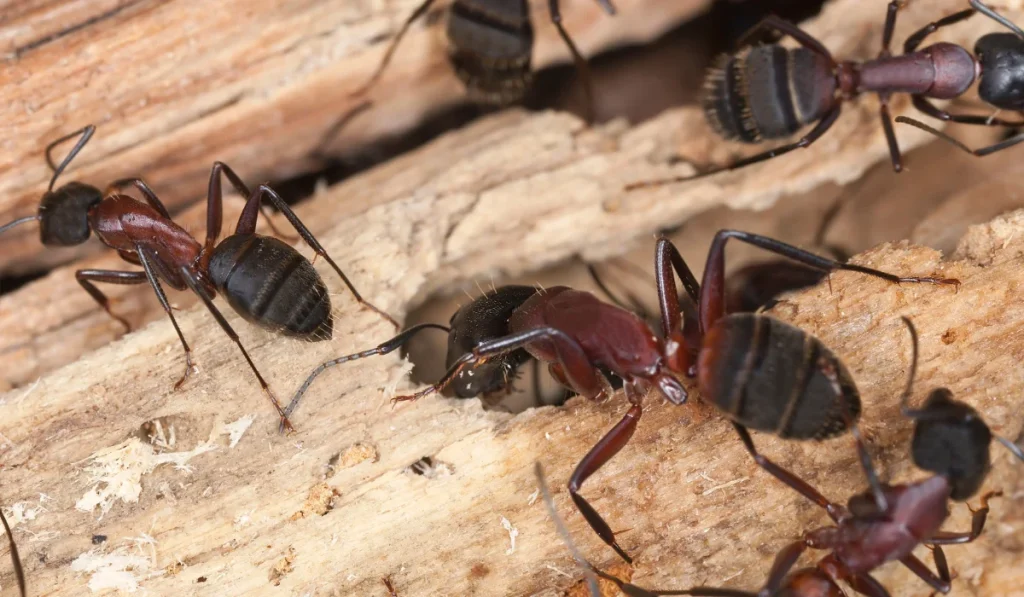
Carpenter ants are among the largest ants found in Georgia. The black carpenter ant is typically solid black, while the Florida carpenter ant often appears reddish-brown with a darker abdomen. These ants have elbowed antennae, a clearly segmented thorax, and strong mandibles designed for tunneling.
Unlike termites, carpenter ants do not consume wood. Instead, they excavate it to build nests inside damp or damaged wood. You may notice small piles of sawdust-like debris near baseboards, windows, or crawlspaces.
Over time, tunneling inside wood can lead to structural damage and signal a carpenter ant infestation, which is why many property owners eventually look into getting rid of carpenter ants before the damage spreads.
Fire Ant

Fire ants are among the most common ants in Georgia and are aggressive, known for their painful sting. Most belong to the Solenopsis group and are reddish-brown in color. Because fire ants in Georgia thrive in warm soil and open landscapes, they frequently build visible mounds in lawns, mulch beds, and even along driveways.
Disturbing a mound can result in dozens of ants swarming at once. Fire ants pose a risk to children, pets, and outdoor workers. Because fire ants form large colonies and defend their nests aggressively, many homeowners contact a pest control company for treatment.
Argentine Ant
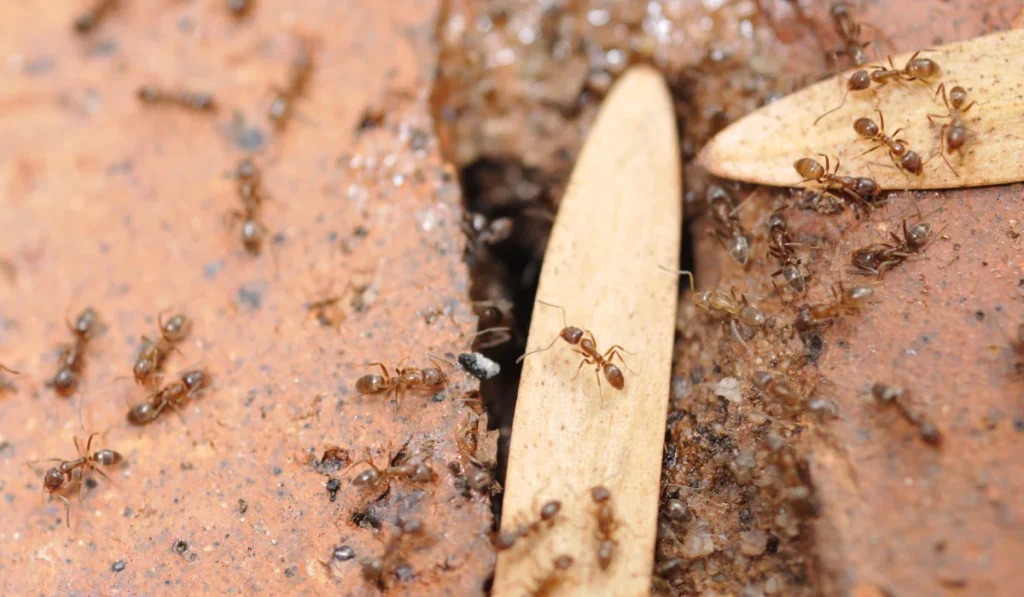
Argentine ants are small and dark brown to light brown. Native to South America, they are considered an invasive species and thrive in Georgia’s climate. These ants build nests in soil, mulch, wall voids, and around foundations.
They travel in large numbers and can link multiple ant colonies together, creating super-colonies that are difficult to eliminate. Long trails of ants moving along baseboards, counters, or walls often indicate the presence of Argentine ants.
Odorous House Ant
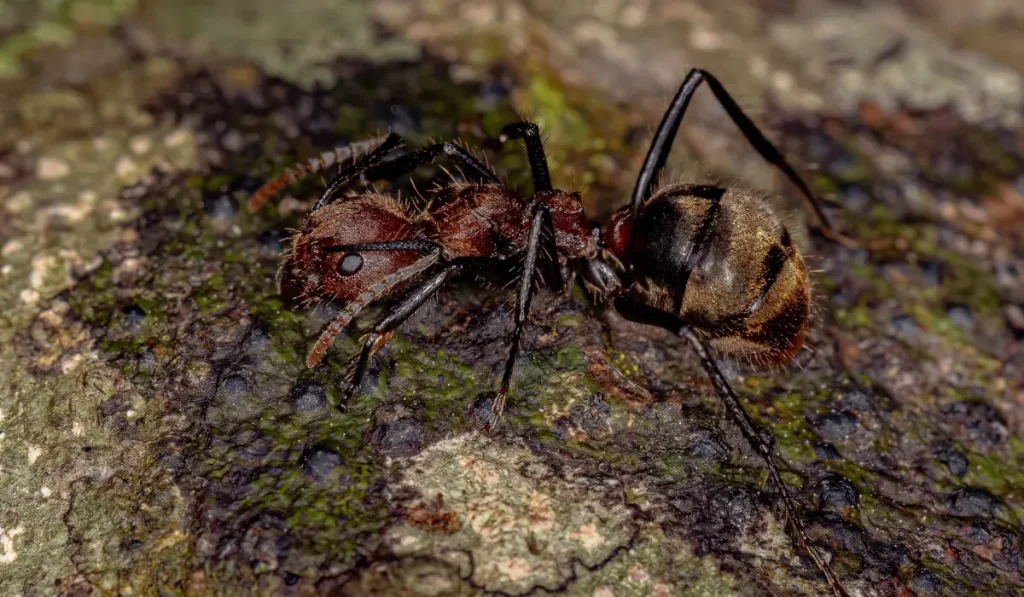
Odorous house ants are small and dark brown or black. When crushed, they produce a strong odor. They frequently invade kitchens and bathrooms in search of food sources and moisture.
These ants often nest behind baseboards, inside wall voids, and near plumbing. They do not sting, but they reproduce quickly and can cause recurring ant infestations in homes and businesses.
Pharaoh Ant
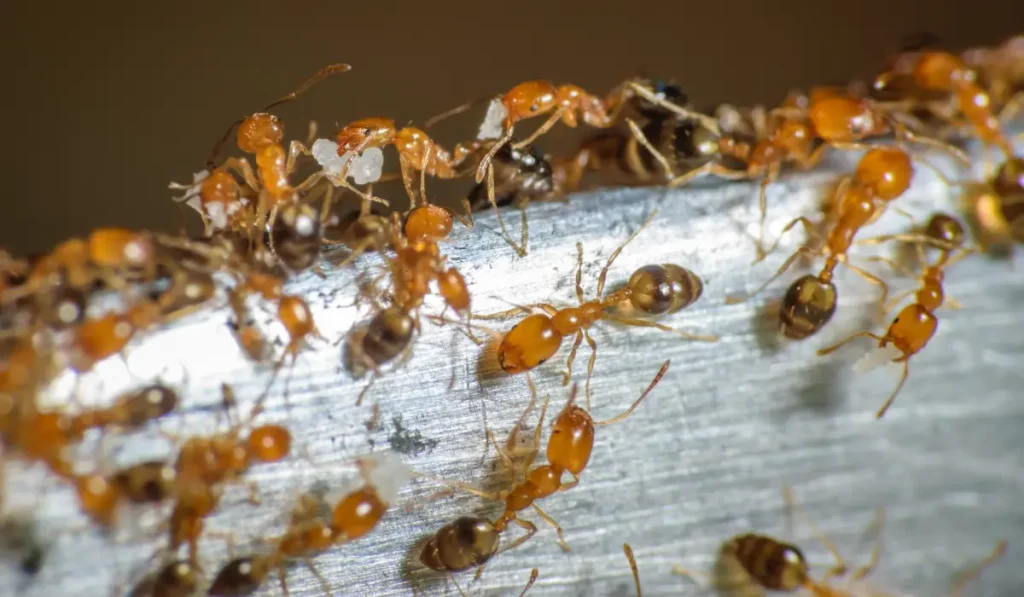
Pharaoh ants are tiny and light brown to yellow. They are especially common in apartment complexes, hospitals, and office buildings. Improper treatment can cause colonies to split and spread.
They prefer warm indoor nesting sites such as wall voids and hidden cracks. Because pharaoh ants split their colonies when disturbed, they require careful ant control methods.
Pavement Ant
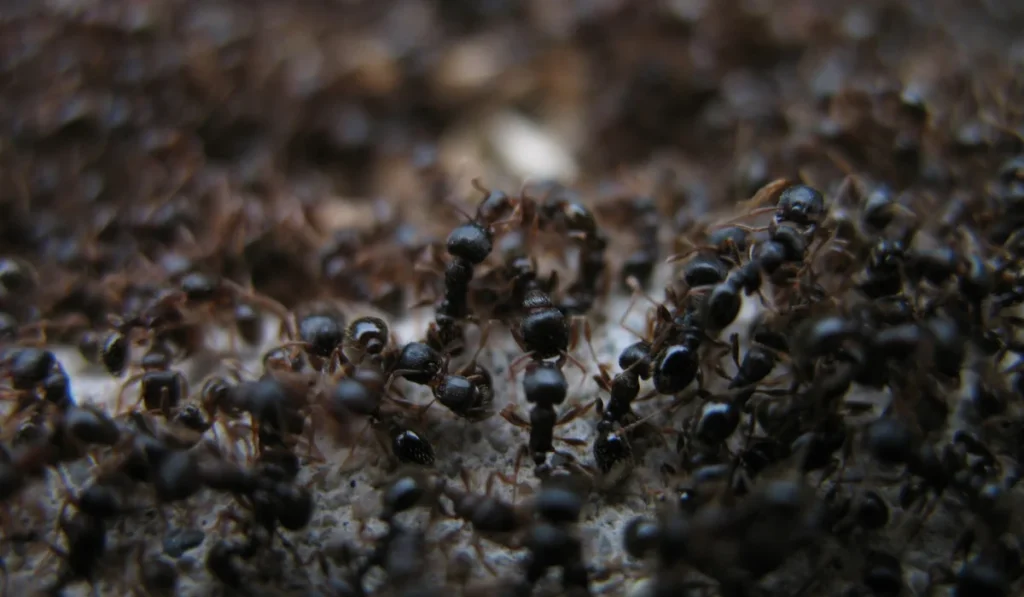
Pavement ants are dark brown to black and commonly found nesting under sidewalks, foundations, and driveways. Small soil mounds near cracks often indicate activity.
While they are typically a nuisance pest, pavement ants may enter buildings during extreme weather. Large numbers indoors can signal a growing ant colony.
Tawny Crazy Ant
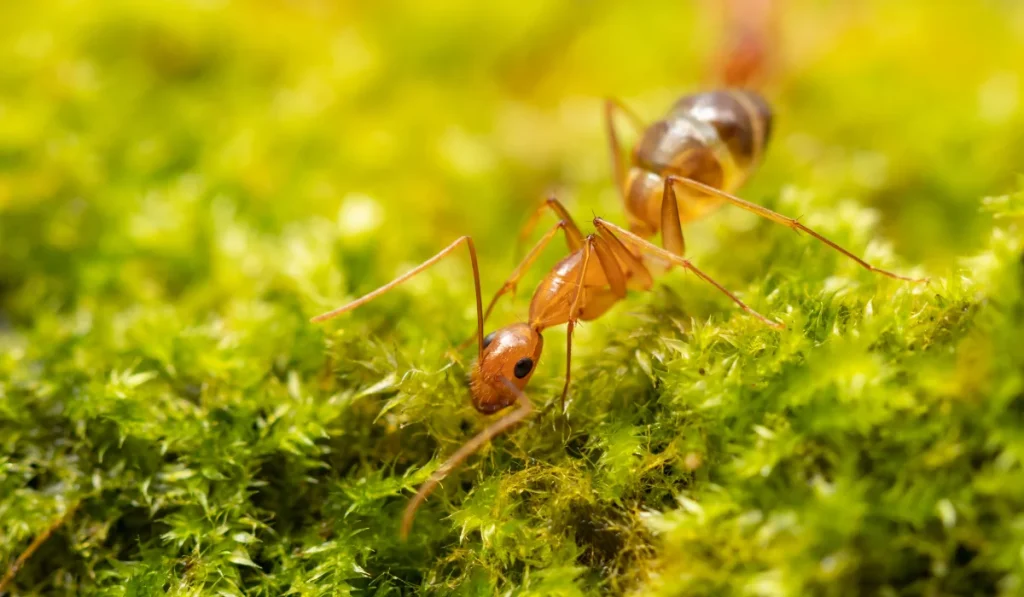
Crazy ants move in erratic patterns, which makes them easy to recognize. The tawny crazy ant is light brown and increasingly found in parts of Georgia. These ants form large colonies and often displace other species.
Because of their rapid reproduction and high population density, crazy ants are difficult to eliminate without the help of experienced pest control services.
Thief Ant
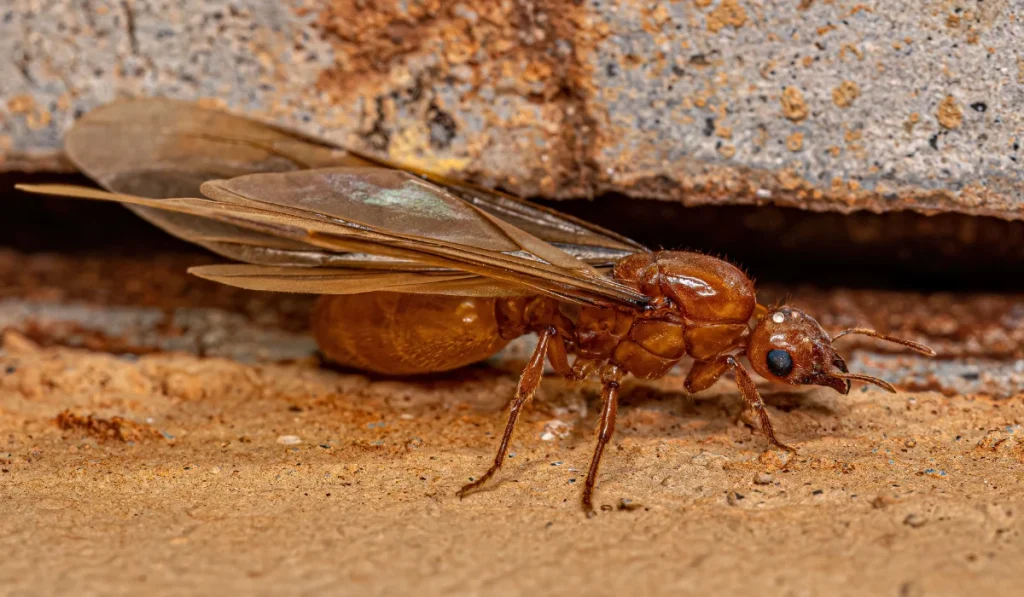
Thief ants are extremely small and pale yellow to light brown. They often build nests near other ant nest locations and steal food from neighboring colonies.
Their tiny size allows them to slip through cracks in foundations and walls. Though small, they can contaminate food storage areas.
Which Ants Signal a Bigger Problem
Not all ants indicate serious structural damage, but certain warning signs require immediate attention.
Wood Damage and Structural Risks
Carpenter ant tunneling may contribute to wood damage over time, particularly in damp or already damaged wood. Unlike termites, they do not eat wood, but the damage can still be costly. Finding debris or hollow-sounding wood suggests further inspection is needed.
Painful Stings and Outdoor Hazards
Fire ants create safety concerns in yards, playgrounds, and commercial properties. Their painful sting can cause allergic reactions in some individuals. Multiple mounds often indicate a widespread issue.
Large Numbers Indoors
Seeing large numbers of ants indoors, especially in kitchens or break rooms, may signal a nearby ant nest. Argentine ants and pharaoh ants are known for expanding rapidly when conditions are favorable.
Persistent Trails and Wall Activity
Continuous trails along baseboards or activity in wall voids suggest an established ant infestation. When ants keep returning despite store-bought sprays, the colony likely remains active.
How to Treat an Ant Problem
Effective ant control starts with identifying the species of ants and locating the main ant nest.
Targeted Baiting Strategies
Baits allow worker ants to carry the treatment back to the colony. This approach works well for pharaoh ants, argentine ants, and odorous house ants. Correct placement near nesting sites improves results.
Exterior Barrier Treatments
Professional pest control companies often apply exterior treatments around foundations, driveways, and entry points. This method reduces new ants from entering the property.
Nest Removal and Colony Elimination
For carpenter ants and fire ants, locating and treating the primary nest is essential. Fire ant mounds may require specialized treatments to address deep colonies.
Commercial Pest Control Solutions
Businesses in the Atlanta metro area benefit from routine commercial pest control programs that help keep properties protected year-round. Scheduled inspections and preventive treatments protect employees, customers, and brand reputation.
Prevention Steps to Keep Ants Out
Preventing an infestation is often easier than eliminating one.
Seal Entry Points
Seal cracks around windows, doors, and foundations. Pay attention to areas near baseboards and utility lines.
Eliminate Food Sources
Store food in sealed containers and clean spills promptly. Removing accessible food sources reduces attraction.
Manage Moisture and Landscaping
Fix leaks and reduce moisture in crawlspaces. Keep mulch and soil away from foundations to limit nesting sites.
Schedule Routine Inspections
Regular inspections help detect early activity before it becomes a full ant infestation. Preventive service reduces long-term costs.
Schedule an Ant Inspection in Georgia
If you are dealing with an ant problem or want preventive protection, professional help can make the difference. At Smart Solutions Pest Control, our technicians identify common ants found in Georgia homes and apply targeted treatments to address the problem.
We provide residential and commercial pest control services throughout Atlanta and surrounding communities.
Contact us today to schedule an inspection or call our phone number to discuss ant control options for your home or business.
FAQs
What are the most common ants in Georgia?
Carpenter ants, fire ants, argentine ants, pavement ants, pharaoh ants, odorous house ants, crazy ants, and thief ants are among the most common ants found in Georgia.
How do I know if I have a carpenter ant infestation?
Signs include sawdust-like debris, hollow wood, and activity in crawlspaces or wall voids. A professional inspection can confirm the presence of carpenter ants.
Are fire ants dangerous?
Fire ants can deliver a painful sting and may cause allergic reactions. Treat large fire ant colonies in yards or commercial areas promptly.




