
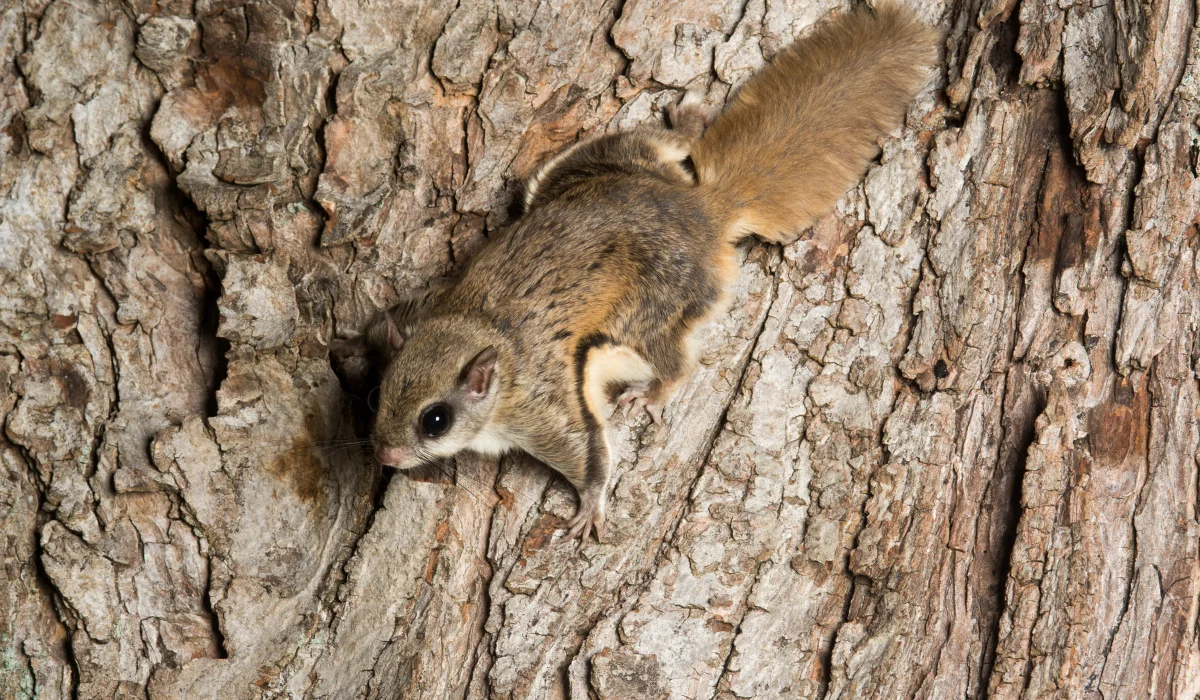
If you live in Georgia, you see squirrels in trees, on roofs, and on power lines. They may appear harmless from the outside, but once they infiltrate your attic or crawl space, real problems begin.
A squirrel infestation in Georgia can cause significant damage by chewing through wiring, compromising insulation, spreading diseases, and resulting in costly repairs. Many homeowners ignore early signs and hope the squirrels leave on their own. In reality, the squirrels multiply and chew insulation, siding, and electrical wires. If you wait, a small squirrel problem can escalate into a full-blown infestation that poses a risk to your home and safety.
This guide covers the top signs of a squirrel infestation, the damage and health risks associated with it, why DIY methods often fail, and how professional Atlanta pros remove and exclude squirrels for good. You’ll also get simple steps to keep them out.
Key Takeaways
- Squirrels create fire hazards. Their constant chewing on electrical wires can spark fires, and waiting gives them more time to damage wiring.
- Squirrel droppings are a health risk. They can carry bacteria and parasites. If your HVAC runs over contaminated areas, those germs can spread through the home.
- DIY fixes don’t last. Store-bought traps or repellents may temporarily deter squirrels, but they will return if entry points are not sealed. Unlike insect control, wildlife control requires targeted removal and complete exclusion of the animal.
- Professional squirrel removal offers lasting protection. A trained team removes squirrels, repairs the damage, sanitizes the area, and backs the work with a re-entry warranty. Your home stays safer and squirrel-free.
Signs Of A Squirrel Infestation In Your Home
You will usually hear squirrels before you see them. Some common entry points in Georgia that squirrels can use include your home’s roofline, roof vent, soffits, fascia boards, gable vents, and minor construction gaps. Once inside, squirrels will nest in your attic.
The top signs of a squirrel infestation in your Georgia home include scratching or scampering in the attic, chew marks near the roofline, torn insulation, piles of droppings, and shredded paper or leaves for nests.
In Georgia, two species of squirrels cause the most trouble: the eastern gray squirrel and the southern flying squirrel. Gray squirrels are active during the day, while flying squirrels are nocturnal and often travel in large family groups. Both squeeze through small gaps around soffits, vents, or loose fascia boards.
Act on early signs. If you wait, squirrels breed rapidly, and a minor issue can quickly escalate into a full-blown colony.
Why Squirrels Are More Than Just A Nuisance
Squirrels in Georgia are not just noisy. They can cause significant attic damage. Their teeth never stop growing, so they gnaw wood, siding, and wires. These problems are among the signs of squirrel damage in attics that Georgia homeowners shouldn’t ignore. This chewing can strip the wire coating, increasing the fire risk.
They tear insulation, chew holes in soffits, and block attic ventilation. Urine and droppings can contaminate the attic, spreading odors and germs through the HVAC system.
Squirrel droppings also pose a health risk. Squirrels can spread rat-bite fever, leptospirosis, and plague. Basic cleaning won’t sanitize an attic. Proper cleanup must remove droppings, soiled insulation, and odors.
If they find steady food sources, such as bird feeders or pet food left outside, they continue to return, and new infestations follow. Ignoring them can lead to significant damage, especially when you notice signs that squirrels are nesting in your Georgia attic during squirrel season.
Why DIY Squirrel Control Doesn’t Work
Some homeowners try DIY methods or call general pest control companies that specialize in insect control and bug extermination. But squirrels don’t respond to sprays or poisons. Squirrel control requires trapping and sealing all entry points to prevent them from returning permanently.
General pest control companies may handle insects, but squirrels require a different strategy. Effective squirrel control in Georgia involves careful inspection, targeted trapping, and sealing the home against re-invasion. Without taking these steps, the problem persists.
Professional Squirrel Removal Services In Georgia
At Smart Solutions Wildlife Removal, we use proven methods across the Atlanta area. Professional squirrel removal requires a detailed inspection, safe trapping, and a thorough home seal-up to ensure the removal is effective and the area is protected. Together, these steps prevent recurring problems and protect your property in the long term. Our step-by-step process includes:
- Inspection: We check the attic, crawl spaces, and roofline for active entry points and damage.
- Squirrel Trapping: We set humane traps to remove active squirrels, including gray squirrels and flying squirrels.
- Exclusion Work: Once they’re gone, we seal entry points with steel mesh, flashing, and construction-grade sealants.
- Sanitation: We remove contaminated insulation, vacuum droppings, and apply treatments that break down odor and pheromones.
Our team also handles attic repairs, new insulation, and long-term wildlife control. With SmartGuard plans, you get routine inspections and a re-entry warranty, so you stay covered even if new squirrels try to move in. This approach helps prevent future infestations.
Preventing Squirrels From Coming Back
After removal, prevention is key. Use these steps to make your home less inviting:
- Trim tree branches at least six feet away from the roof.
- Keep bird feeders at a distance from your home.
- Store pet food inside instead of on porches or patios.
- Inspect and secure weak spots along soffits, gables, and vents.
Professional squirrel-proofing adds extra protection by reinforcing your home’s structure. With these preventive measures, you reduce the risk of squirrels forming nesting sites in your Georgia home’s attic again.
Making The Right Choice For Squirrel Removal In Georgia
Protecting your home means acting quickly when you notice squirrel activity. Chewed wires, nests in insulation, or droppings in the attic are signs that it’s time to get help before the damage spreads.
At Smart Solutions Wildlife Removal, we have been serving homeowners in Georgia for nearly two decades with expert squirrel removal and wildlife exclusion services.
Contact us today to schedule a full inspection and keep your home squirrel-free.
FAQs
How do squirrels get into my attic?
They often climb tree branches near the roof and chew into weak spots, such as vents, soffits, or gaps in the roofline.
Are flying squirrels common in Georgia homes?
Yes. Southern flying squirrels are widespread in Georgia. They are nocturnal, enter through small holes, and often nest in large groups.
Why are squirrel droppings dangerous?
Squirrel droppings can carry harmful bacteria and parasites. They also leave scent trails that attract more nuisance animals, such as squirrels or raccoons.




