
If you own a home in Georgia, you may hear scampering above the ceiling or see small gaps along the roofline. Squirrels are common in the Atlanta area, and they can cause real damage once they move inside.
Squirrels are skilled climbers. They leap from tree branches to roofs, chew through soffits and fascia boards, and squeeze into small gaps around vents. Once inside, they leave droppings, shred insulation for nests, and chew wires, raising the risk of fire.
This guide covers the most common squirrel entry points in Georgia homes, signs of an infestation, yard issues that make it worse, and why professional squirrel removal works best.
Key Takeaways:
- Squirrels need only small openings. Roof vents, soffits, fascia boards, and gable vents are the most common squirrel entry points in Georgia homes.
- Indoors, squirrels cause costly, dangerous damage: chewed wiring, droppings, and torn insulation for nests.
- Yard conditions can make problems worse. Overhanging branches, bird feeders, and pet food left outside attract squirrels and give them easy roof access.
- Professional squirrel removal is the most reliable solution. Experts trap the animals and seal entry points so they can’t get back in.
Why Squirrel Entry Points Are a Big Problem in Georgia
Squirrels don’t need a big gap to get inside. A small opening near a roof vent or loose shingles is enough. In the attic, they bring leaves and insulation for nests, leave droppings, and chew wood and wires. Their constant gnawing can strip wires and spark fires.
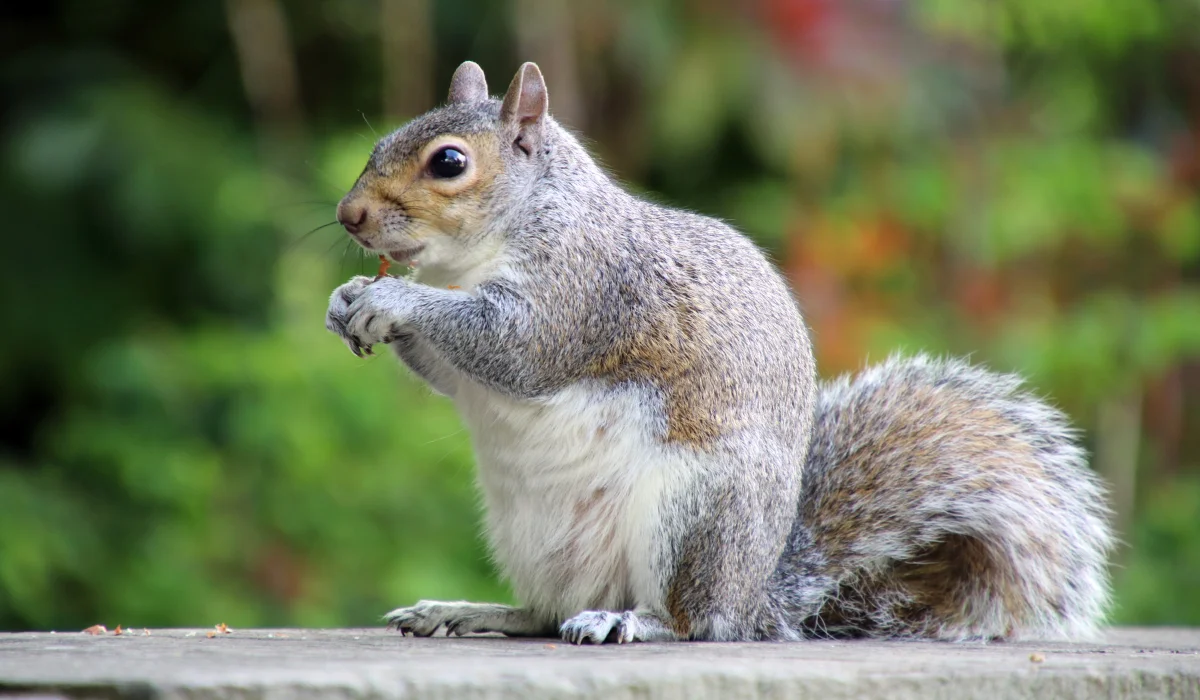
Many Georgia homeowners underestimate how quickly a squirrel problem can escalate. Eastern gray squirrels and southern flying squirrels are common and breed quickly once they find a safe nest. Effective control begins by identifying and sealing every entry point to prevent their return.
Common Squirrel Entry Points Along the Roofline
Most squirrels enter Georgia homes along the roofline. They leap from tree branches to the roof and find weak spots, such as roof vents, soffits, fascia boards, gable vents, and small construction gaps. Once inside, you may hear scurrying and scratching as they build nests.
Damaged or missing shingles also provide easy access. In older Atlanta homes, squirrels often slip in through worn gaps near the roof edges. Since these spots are hard to inspect, many owners miss the issue until they hear noise or see droppings in the attic.
Squirrels and Attic Access in Georgia Homes
Your attic is warm, dry, and safe from predators, perfect for nests. Many small gaps let squirrels sneak in: around plumbing stacks, through worn roof vents, or by chewing wooden fascia. Inside, they shred insulation for nests and contaminate surfaces with urine and droppings.
Chewed electrical wiring is a significant risk. It can lead to expensive repairs and fires. If you hear scampering or scratching above the ceiling, schedule a professional squirrel inspection right away.
Yard Conditions That Increase Squirrel Problems
Your yard can invite or deter squirrels. Overhanging branches act like a highway to your roof. Squirrels can jump across in seconds. Bird feeders and pet food left outside also draw them by offering a steady food source.
In places like Marietta, where big trees grow close to older homes, trim branches back 6–8 feet from the roof. Also, remove easy food sources to make squirrel-proofing more effective.
Signs of Squirrel Infestation to Watch For
Early signs include scampering in the attic, especially at dawn and dusk. You may see droppings, nesting material, chewed wood near the roofline, or holes in soffits and gable vents.
You might also hear scratching in the walls, smell strong odors from urine or droppings, or see damage to fascia boards and shingles. If you suspect squirrels, act fast. They rarely leave on their own.
Professional Squirrel Control vs DIY Methods
Many try repellents or live traps, but DIY fixes rarely last. Repellents fade. If even one gap stays open, squirrels return. A live trap removes one at a time, but without sealing every opening, new squirrels will replace them.
Professional wildlife control offers a complete fix. At Smart Solutions Wildlife Removal, our team inspects the roofline and foundation, identifies every entry point, and seals them with steel mesh and flashing to block squirrels effectively.
We also provide attic sanitation to remove droppings, cut odors, and reduce health risks. For Atlanta-area homeowners, this service restores the attic to a safe condition after an infestation.
Making the Right Choice for Your Georgia Home
Protecting your home from squirrels isn’t just about fixing damage; it’s about stopping the problem before it grows. Left unchecked, even a single squirrel can lead to costly repairs and unsafe conditions.
Smart Solutions Wildlife Removal provides licensed, humane squirrel control service to keep your home secure long-term. Our team knows the challenges Georgia homeowners face and delivers proven solutions that last.
Contact us today to schedule your inspection and protect your home from future infestations.
FAQs
What are the most common squirrel entry points in Georgia homes?
Squirrels typically enter through roof vents, soffits, fascia boards, gable vents, and roof gaps. Overhanging tree branches make it easy for them to reach these weak spots.
How can I tell if I have a squirrel infestation?
Look for signs of squirrel droppings, shredded insulation, and chewed wood in your attic. Sounds of scampering or scurrying at dawn and dusk are another strong indicator.
What’s the best way to keep squirrels out long-term?
The most effective method is professional exclusion. A wildlife removal team will trap the squirrels, then seal all current and potential entry points using durable materials. Trimming tree branches and removing outdoor food sources also helps prevent future problems.




