
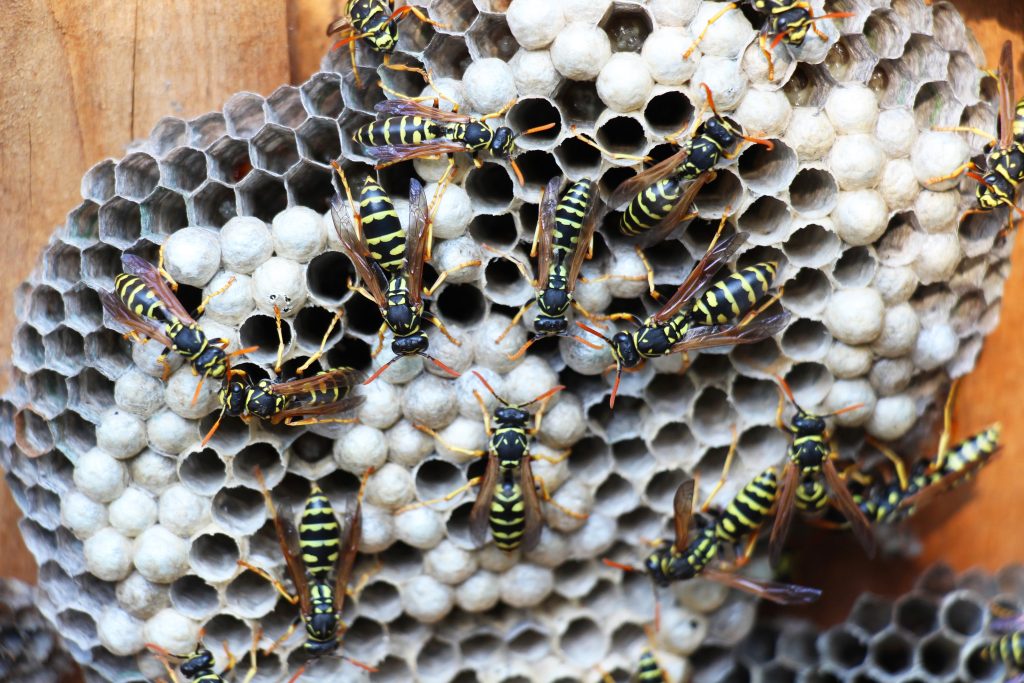
You step outside to bring in the trash can and notice several wasps circling near the roofline. Later, another one appears around the deck or under the eaves. That activity usually has a cause. If you’re asking, why are wasps attracted to my house, it’s often because your property offers the food, water, or sheltered spaces they need to survive and build nests.
Small gaps, protected overhangs, flowering plants, and outdoor food sources can all attract wasps to a home. In this article, you’ll learn what draws wasps to properties in Johns Creek, where they’re most likely to nest, and what you can do to make your home less appealing to them.
Key Takeaways
- Wasps may be drawn to your house by available food sources, moisture, and sheltered spots where they can build nests on the structure itself.
- Nests built in high-traffic areas around your home can increase the chance of stings, so early awareness matters.
- Reducing attractants through proper sanitation and keeping an eye on common nesting spots can help make your house less inviting to wasps.
- Professional treatment from Smart Solutions Pest Control can target active nests and help discourage wasps from returning to the same areas season after season.
How to Identify Wasp Activity in Johns Creek
If you keep seeing wasps around your property, the most likely explanation is a nest nearby. Wasps choose homes because the structure itself offers sheltered spots that mimic their natural nesting sites. Recognizing what a wasp nest looks like, where to find one, and how wasps get inside helps you understand exactly what is drawing them to your house.
How to Tell Wasp Types Apart
Different wasp species build nests that look slightly different. Guinea wasp nests are a common sight on residential structures, with their open, papery combs hanging from a single stalk. Red wasp nests are similar in shape to Guinea wasp nests but tend to be larger. Knowing the nest size and shape you are looking at can help you determine which wasp type has settled on your home.
How to Spot Wasp Activity Inside Your Home
Old wasp nests left in attics or crawlspaces can harbor secondary infestations from other pests. If you notice wasps appearing inside living spaces, they may be entering through vents or gaps that connect to a nest tucked within a void area. Removing old nests is important because abandoned nests can attract new problems over time.
Be alert for wasp nests around your home, and watch for steady wasp traffic flowing toward a fixed point on the structure. According to Mississippi State University Extension, staying aware of nest locations around the home is an important first step in addressing wasp activity.
Where Wasp Activity Shows Up Around Homes
In natural settings, wasp nests are often built over water or in thick shrubbery. Around buildings, however, wasps build nests under eaves and in other protected areas. These sheltered spots keep the nest out of direct rain and wind, which is exactly why your house is so appealing to them.
Soffits, fascia, deck bottoms, handrails, awnings, vents, and gable areas are all spots where Smart Solutions Pest Control service professionals commonly find active wasp nests during treatment visits.
Exterior Entry Points Wasps Use
Wasps can enter your home through exhaust vents, chimney flue pipes, and gaps around gable areas. Once inside these openings, they may build nests in wall voids, attics, or crawlspaces. Checking these entry points regularly helps you catch nest-building activity early.
Old spider webs and nests from birds, rodents, or bees left in place around the exterior can also draw wasps looking for sheltered nesting locations. Clearing these away removes one more reason wasps may find your house attractive.
Why Wasp Problems Develop in Johns Creek
Wasps don’t show up at random. Your home can offer exactly what they need: accessible food, reliable shelter, and protected spaces for nesting. Understanding what draws them in helps you see why the problem can build over time if conditions stay the same.
Outdoor Nesting Areas for Wasps
Wasps seek protection and shelter in dark cavities in walls or crawl spaces. Soffits, fascia, gable areas, vents, and the undersides of decks also provide covered spots where nests can go unnoticed. Attic spaces are another common location for wasp nests. Paper wasp nests last only one season regardless of species, but wasps may return to the same favorable areas year after year if conditions remain inviting.
Food and Shelter That Attract Wasps
Many pests, including wasps, are attracted to areas where food and water are readily available. Pests are drawn by light, warm air, moisture, and food. Odors from dead insects or a nest inside a wall can also be attractive.
Yellowjackets and hornets are attracted to sugar sources such as berries and flower nectars. This becomes a problem when the sugar source is a food or drink being consumed by a person. Sweet items like soft drinks, ripened fruits, and watermelons can draw wasps to outdoor dining areas. Keeping these items covered outdoors helps reduce the draw.
How Wasps Move Around Homes
Wasps tend to explore a home’s exterior looking for shelter and food sources. They may move from landscaping or garden areas toward the structure itself when they find warm air, moisture, or accessible cavities. Proper sanitation can help reduce potential food sources that attract them closer to living spaces.
Trails and Entry Points Wasps Use
Once they locate a sheltered void space such as a crawlspace or attic, they may begin nesting. Placing water traps away from patio or picnic areas can help keep wasps from being attracted to your food as well.
Leaving a wasp-friendly environment unchanged tends to invite more activity over time. Reducing available food sources and sealing entry points are the first steps toward making your home less appealing to wasps.
Risks From Wasps in Johns Creek
When wasps settle near your home, the risks go beyond a simple annoyance. Understanding the specific concerns tied to nesting pests around your property helps you decide how quickly to act and what to watch for.
Health Risks Linked to Wasps
Paper wasp nests built in high-traffic spots around your home are likely to cause stings. According to Mississippi State University Extension, these nests should be addressed proactively before someone gets stung. Eaves, doorframes, and porch ceilings are common places where foot traffic puts you too close to a colony.
Bumble bees nest in the ground and can become aggressive when their nest is threatened, which may lead to stings. Yellowjackets also build nests underground, sometimes just a few inches to a foot below the surface. Walking over a hidden nest in your yard can trigger a defensive response from these pests.
Property Damage From Wasp Activity
While wasps themselves rarely damage building materials, other pests drawn to the same conditions can. Carpenter bees, for example, bore into wood to create nesting galleries. Cedar boards are particularly susceptible to extensive damage from carpenter bees. Over time, repeated boring weakens exterior trim and fascia.
When certain pests abandon nests mid-season, secondary pests may seek an alternate food source inside your home. This chain reaction means one type of nesting activity near your house can invite additional pests indoors.
Food Areas and Wasp Activity
Outdoor food sources pull wasps and other pests toward your home. Yellowjackets are social wasps that forage aggressively around fruit, sugary drinks, and protein left outdoors. Ants drawn to the same areas feed on a wide variety of foods, including sweets, meats, pet foods, and grease. The overlap of these food-driven pests near dining and cooking areas raises the chance of unwanted encounters.
When to Look Closer at Wasp Activity
Seasonal shifts can push multiple pests toward your house at once. Some pests may invade homes in the spring or fall when their outdoor food sources become scarce or host plants die off. If you notice increased wasp traffic near entry points during these periods, other pests may be moving indoors at the same time.
Visible nests under eaves or underground, rising pest activity near vents or soffits, and repeated sightings near food prep areas are all signs worth investigating sooner rather than later.
Professional Pest Control for Wasps in Johns Creek Homes
Understanding why wasps keep showing up around your property is the first step toward addressing the problem. Several factors can draw wasps toward a home, and a structured approach that combines reducing attractants, thorough inspection, and professional treatment can help you manage wasp activity over time.
How to Reduce Attractants for Wasps
One often-overlooked factor is the landscaping immediately around your home. According to Texas A&M AgriLife Extension, if insects are producing honeydew on plants close to the house, you should control them. Honeydew-producing insects on nearby shrubs and ornamental plants can create a food source that draws stinging insects and other pests closer to your exterior walls and entry points.
Managing the plants nearest your foundation and eaves can reduce the conditions that attract wasps in the first place. Keeping vegetation trimmed and addressing any honeydew-producing insect populations on those plants removes a key draw for wasps looking for food near your home.
Why Wasp Control Starts With Inspection
Before any treatment begins, a thorough inspection of your home’s exterior helps identify where wasps are active and what may be drawing them.
Chimney flue pipes, exhaust vents, attics, and crawlspaces are also checked. These sheltered spots can provide overwintering sites for wasps. A careful walkthrough of these areas helps build a clear picture of where wasps are entering and nesting around your property.
What to Expect During Professional Wasp Treatment
Smart Solutions uses targeted products applied to exterior nesting and high-activity areas. Treatments may be applied to soffits, fascia, vents, awnings, and gable areas using a backpack sprayer. When wasps are nesting inside chimney flue pipes, a pressurized aerosol system can be used to reach those interior spaces.
For attics and crawlspaces, dust applications help address overwintering wasps and discourage nesting in void spaces. A/C units are shut down during attic dusting to prevent exposure to living spaces. After treatment, nests are left in place for five to seven days so foraging wasps return and contact the treated surfaces.
What to Expect From a why are wasps attracted to my Control Plan
Ongoing management matters. Exterior surface treatments can be applied up to four times per year. Follow-up visits include nest removal and additional spot treatments to reinforce protection in high-activity zones.
For ground-nesting species like cicada killer wasps, treatments must be repeated at least three times within six weeks to disrupt the life cycle. Annual treatment may be required, as these wasps can overwinter and return to the same nesting areas. Key treatment periods are late October and early March to address overwintering larvae before spring emergence.
Why Are Wasps Attracted to My House: Bottom Line
Wasps look for the same basics any pest does: accessible food, water, and sheltered spots to build nests. Reducing those attractants around your property is the most practical first step. Keep food and drinks covered when you eat outdoors, and position any water traps well away from gathering areas so wasps are not drawn closer to where people spend time. Because nests can appear in protected areas of your home’s exterior, staying alert to early nest activity helps you address the situation before stings become a concern.
If you are seeing repeated wasp activity around your house, contact Smart Solutions for a professional assessment.
Frequently Asked Questions
What draws wasps to certain parts of a house?
Wasps tend to favor sheltered areas that offer protection from wind and rain. Eaves, soffits, vents, and covered porch ceilings can all provide the kind of overhead cover wasps look for when selecting a nesting site. Nearby food and moisture sources can further increase activity around those areas.
Should I remove a wasp nest myself?
Small, accessible nests may seem manageable, but disturbing a nest can provoke stings. Professional removal is generally a safer option, especially when nests are in hard-to-reach spots like attic vents or chimney flues. Smart Solutions uses targeted treatments and follows up with nest removal after foraging wasps have had time to return and contact the treatment.
Will wasps come back after their nest is removed?
Wasps can return to previously favorable nesting sites. Follow-up treatments that reinforce residual protection around high-activity zones help discourage new nest construction. Keeping attractants low and monitoring your home’s exterior through the warmer months also reduces the chance of a repeat issue.
How often are treatments needed for wasps?
Annual maintenance may be necessary since some species return to the same nesting areas year after year.




