
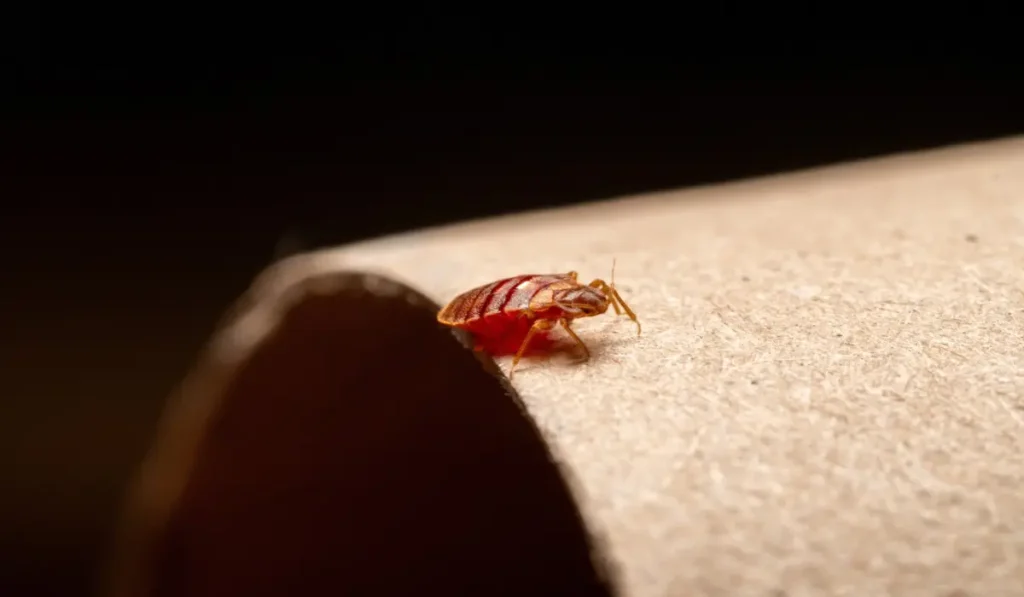
If you wake up with itchy bites or find rust-colored spots on your sheets, check your mattress seams, bed frame, and nearby furniture for signs of bedbugs. Bedbugs in Georgia can turn up in clean homes after traveling or bringing in infested belongings. Because their bites resemble other insect bites, identifying the pest matters before you start treatment. Here’s how to recognize bedbugs, understand where they come from, and decide what to do when you find them.
Are Those Bites Really Bedbugs in Georgia?
Itchy bumps after a night’s sleep can raise suspicions, especially when several appear close together. Still, a bite pattern cannot tell you which insect caused the marks. Mosquitoes, fleas, and other skin irritants can produce similar reactions.
Before reaching for a treatment product, look for signs of bedbugs around your sleeping area. Live insects, dark spotting, and shed skins offer more useful evidence than skin reactions alone.
What Do Bed Bug Bites Look Like?
Bed bug bites may appear as small, raised, itchy welts on your arms, shoulders, neck, legs, or other exposed skin. Several bites sometimes appear in a line or cluster, but bedbugs don’t always leave a recognizable pattern.
Two people sleeping in the same bed can react differently. One may develop itchy welts, while the other has no visible reaction. Marks can also appear after a delay, so you may not know when the bites occurred.
The Centers for Disease Control and Prevention’s bedbug guidance states that bedbugs aren’t known to transmit diseases to people. Their bites can still cause itching, allergic reactions, disrupted sleep, and skin infections when scratching breaks the skin.
How Are Bed Bug Bites Different From Mosquito or Flea Bites?
These insects can all leave itchy marks, and appearance alone is an unreliable way to distinguish them. The surrounding circumstances may provide clues.
| Bite Type | Common Appearance | Where You May Notice Bites |
| Bedbugs | Itchy welts, sometimes grouped or arranged in lines | Exposed skin after sleeping or resting |
| Mosquitoes | Raised, itchy bumps | Exposed skin after indoor or outdoor encounters |
| Fleas | Small, itchy bumps, sometimes grouped | Frequently around ankles and lower legs |
Mosquitoes may bite while you’re relaxing outside, and individual differences affect why mosquitoes bite some people more in Georgia. Fleas are worth investigating if your pets are scratching or you’ve noticed small jumping insects. During warmer months, fleas on pets and in the home can create a separate biting problem.
If your skin develops severe swelling, signs of infection, or persistent irritation, seek medical advice. A pest inspection can help establish whether insects are present, but it cannot diagnose a skin condition.
What Are the Early Signs of Bedbugs in Georgia Homes?
You may find evidence of bedbugs before seeing an insect crawl across your bedding. They spend much of their time concealed in seams, joints, and narrow cracks near places where people sleep.
Begin with the bed and nearby furniture. Use a flashlight and inspect slowly, paying attention to fabric folds and sheltered surfaces.
What Should You Look for on Your Mattress?
Several physical signs can indicate bedbug activity:
- Rust-colored spots: Reddish marks on sheets or mattress fabric may come from crushed bedbugs or blood.
- Dark fecal marks: Small, dark spots can collect along seams, bed frames, and nearby furniture.
- Shed skins: Growing bedbugs leave behind pale, empty outer coverings.
- Eggs: Bed bug eggs are tiny, pale, and often concealed in protected spaces.
- Live bedbugs: Adults have flat, oval, reddish-brown bodies and are roughly the size of an apple seed.
Pull back the bedding and examine the mattress piping, labels, seams, and corners. Check the box spring and the joints where the headboard attaches to the frame.
A single stain isn’t proof of an infestation. Several signs concentrated in the same area give you a stronger reason to investigate, particularly if you also find an insect that can be identified.
Where Else Do Bedbugs Hide?
Bedbugs can shelter in nightstands, upholstered chairs, couches, and baseboard gaps. In a bedroom, inspect furniture joints, screw holes, and the undersides of nearby drawers. If someone regularly naps on a living room couch, check its cushion seams and frame as well.
They may also hide around wall fixtures and electrical outlets. Don’t remove outlet covers or dismantle electrical components to look for them. Ask a qualified technician to inspect suspected electrical areas safely.
Not finding bedbugs during a quick inspection doesn’t rule them out. Their small size and concealed hiding places make early infestations difficult to locate.
How Do Bedbugs Get Into Georgia Homes?
Bedbugs commonly arrive on belongings. They can hitchhike in luggage, backpacks, clothing, and used furniture, then move into nearby hiding places once those items enter your home.
That’s why an infestation can develop even when you clean regularly. Bedbugs feed on blood rather than discarded food, and they don’t need a dirty home to survive.
Can Travel Bring Bedbugs Home?
Suppose you return from a trip and place your suitcase beside the bed before unpacking. An insect hiding in a seam or pocket could crawl out and find shelter nearby.
Hotels and other shared accommodations can be places of exposure, although finding bedbugs after traveling doesn’t establish exactly where you encountered them.
Inspect the mattress seams and headboard when staying somewhere unfamiliar. After returning home, check your luggage and examine belongings before putting them away. Keep a suitcase off the bed while you inspect it.
Can Secondhand Furniture Carry Bedbugs?
Used couches, upholstered chairs, mattresses, and bed frames may contain bedbugs or eggs. Fabric folds and wooden joints offer concealed spaces that a quick surface inspection can miss.
Before bringing used furniture inside, examine seams, cushions, undersides, and connection points. Watch for insects, dark marks, or shed skins.
Avoid collecting discarded upholstered furniture when you cannot establish its condition. If an item shows possible bedbug activity, have it assessed before bringing it into your living space.
Does Having Bedbugs Mean Your House Is Dirty?
No. A tidy Roswell home can develop bedbugs just as an untidy one can. The insects need access to a host and a place to hide, not crumbs or household waste.
Clutter does affect how difficult an infestation is to find and treat. Clothing piles, storage bins, and packed furniture give insects more sheltered spaces and can block access during inspection.
Cleaning and organization support bedbug control, but they cannot guarantee that bedbugs won’t arrive on belongings.
Can You Get Rid of Bedbugs Yourself?
Some household measures help reduce bedbugs on clothing, bedding, and accessible surfaces. The difficulty is reaching every place where insects and eggs may be hidden.
If you treat only the bed’s exposed surfaces, bedbugs can remain in the frame, nearby furniture, or surrounding cracks. Effective control requires finding those locations rather than relying on a product that promises a quick fix.
Do Bed Bug Bombs Work?
Bed bug bombs, also called total-release foggers, release treatment material into an enclosed area. The problem is that bedbugs can remain protected inside seams, furniture joints, and narrow cracks where the released material may not reach them.
The Environmental Protection Agency’s guidance on bedbug foggers warns against relying on foggers as the only bedbug control method.
Store-bought sprays have limitations, too. A product may kill an exposed insect while leaving hidden activity untouched. Some repellent treatments can cause bedbugs to move away from treated surfaces, complicating efforts to locate them.
Never apply a product to bedding, mattresses, or furniture unless its label specifically permits that use. Repeated spraying without locating the infestation can add exposure risks without solving the problem.
Can Hot Laundry Kill Bedbugs?
High dryer heat can kill bedbugs and eggs on suitable fabrics. The EPA’s do-it-yourself bedbug control guidance recommends drying appropriate items on high heat for 30 minutes. Washing alone may not reliably eliminate every life stage.
Put potentially affected clothing and linens into sealed bags before moving them to the laundry area. Check fabric-care labels, and keep dried items separated from belongings that haven’t been inspected or treated.
Laundry is useful, but it only treats what’s inside the dryer. It won’t reach bedbugs hiding behind a headboard, beneath a couch cushion, or inside furniture joints.
What Should You Avoid Doing Before Treatment?
Don’t immediately drag an infested mattress through the hallway or move loose bedding into another bedroom. Insects can fall from those items and establish themselves elsewhere.
Avoid trying to heat rooms with portable heaters, ovens, or other household equipment. These approaches can create serious safety hazards and won’t provide the controlled exposure needed for dependable treatment.
If you find a suspected bedbug, capture it in a secure container when practical. A technician can examine the specimen to help confirm the identification before recommending service.
How Does Professional Bed Bug Treatment Work?
Smart Solutions Wildlife Removal and Pest Control uses a combination of inspection, HEPA vacuuming, professional steam, and targeted treatments. Each method serves a different purpose, from locating activity to addressing insects concealed in furniture and structural gaps.
The technician’s findings determine which rooms need attention and whether follow-up work is necessary.
Inspection and HEPA Vacuuming
A bedbug inspection begins around sleeping and resting areas. Technicians check mattresses, box springs, bed frames, upholstered furniture, baseboards, and other likely hiding places.
Locating activity helps determine whether the problem appears concentrated in one room or extends into other parts of the property. It also directs treatment toward the surfaces and gaps most likely to harbor insects.
Smart Solutions uses HEPA-filtered vacuum equipment to remove accessible bedbugs, eggs, shed skins, and debris. Vacuuming helps reduce the infestation before the technician applies additional treatment methods.
Steam Heat and Targeted Applications
Smart Solutions uses Cimex Eradicator steam equipment to treat suitable mattresses, bed frames, furniture, and accessible hiding places. High-temperature steam can kill bedbugs and eggs when sufficient heat reaches them.
This is targeted steam treatment, not whole-home heat treatment. The technician applies steam to selected surfaces rather than raising the temperature throughout the building. Areas the steam cannot reach may require other methods.
Depending on the inspection, Smart Solutions may also use specialized products such as Aprehend and CimeXa dust in appropriate treatment locations. Applications must follow the product labels and the conditions found during service.
Will One Treatment Get Rid of Every Bedbug?
A single visit may not resolve every infestation. Insects can remain in inaccessible spaces, and eggs that weren’t reached during treatment may survive.
Monitoring devices and follow-up inspections help technicians evaluate remaining activity. Additional treatment may be recommended when live bedbugs are found.
There is also a difference between continued activity and a new introduction. Even after effective treatment, bedbugs can return on luggage, furniture, or personal belongings.
How Should You Prepare for Bed Bug Treatment?
Preparation helps technicians reach the places where bedbugs hide. It also reduces the chance that moving clothing, bedding, or furniture will carry insects into unaffected rooms.
Smart Solutions provides a preparation checklist based on the treatment plan. Follow those instructions before moving large items or clearing furniture.
What Should You Do Before the Technician Arrives?
Common preparation steps include:
- Contain bedding and clothing. Place affected linens and garments into sealed bags before transporting them for laundering.
- Treat suitable fabrics with dryer heat. Follow the recommended drying procedure and keep treated items separate.
- Clear access around beds. Remove clutter from floors, baseboards, and furniture so the technician can inspect hiding places.
- Move furniture only as directed. Your technician may ask you to pull furniture away from walls or clear storage under beds.
- Arrange for everyone to leave during treatment. Secure pets and protect food and personal belongings according to your preparation instructions.
Smart Solutions’ service guidance specifies a three-hour re-entry interval after bedbug treatment. Follow the technician’s directions and applicable product-label requirements before returning.
Why Shouldn’t You Move Everything Out of the Room?
Carrying an infested chair into the garage or placing loose bedroom items in another room can move bedbugs along with them. Unplanned furniture removal may spread activity beyond the space being treated.
Leave larger items in place unless your technician instructs otherwise. Bag smaller belongings as directed, and avoid mixing treated fabrics with unchecked items.
Careful preparation gives the technician access without unnecessarily disturbing areas where bedbugs are hiding.
How Can You Prevent Bedbugs From Returning?
After treatment, focus on the activities most likely to introduce bedbugs again: travel, bringing used furniture indoors, and moving belongings between living spaces.
Regular inspection is useful, particularly if you’ve previously dealt with an infestation. The goal is to recognize new activity early rather than wait until insects become easy to see.
Inspect Luggage and Used Furniture
Look over luggage after trips, paying attention to seams, pockets, handles, and fabric folds. Check clothing and other belongings before putting them away in drawers or closets.
Inspect secondhand furniture before bringing it indoors. Furniture with unexplained dark stains, shed skins, or visible insects deserves closer examination.
In apartments, townhouses, and other multi-unit housing, report suspected activity to property management when appropriate. Bedbugs may move between neighboring units, and inspections may need to involve adjoining spaces.
Use Mattress Encasements and Monitoring Devices
Bedbug-resistant mattress and box spring encasements can limit access to hiding places within those items. They also create smoother surfaces that can make future inspections easier.
Interceptors placed around bed legs can help detect bedbugs moving toward or away from the bed. They are monitoring tools, not a complete treatment.
Continue checking mattress seams, headboards, and nearby furniture for new stains, shed skins, or live insects. If you find fresh evidence after treatment, contact your provider before applying additional products.
Getting Answers and Treating Bedbugs in Georgia
Bites alone aren’t enough to identify bedbugs. Check for live insects, shed skins, dark fecal marks, and other signs around the places where you sleep. Laundry and careful containment can help with affected belongings, but an established infestation may require a wider treatment plan.
Smart Solutions Wildlife Removal and Pest Control provides bedbug inspection and treatment services for homeowners in the Atlanta area. If you need help in Roswell or Atlanta, you can review the company’s local service information.
Suspect bedbugs in Georgia? Contact Smart Solutions to discuss what you’ve found and request an inspection.




