
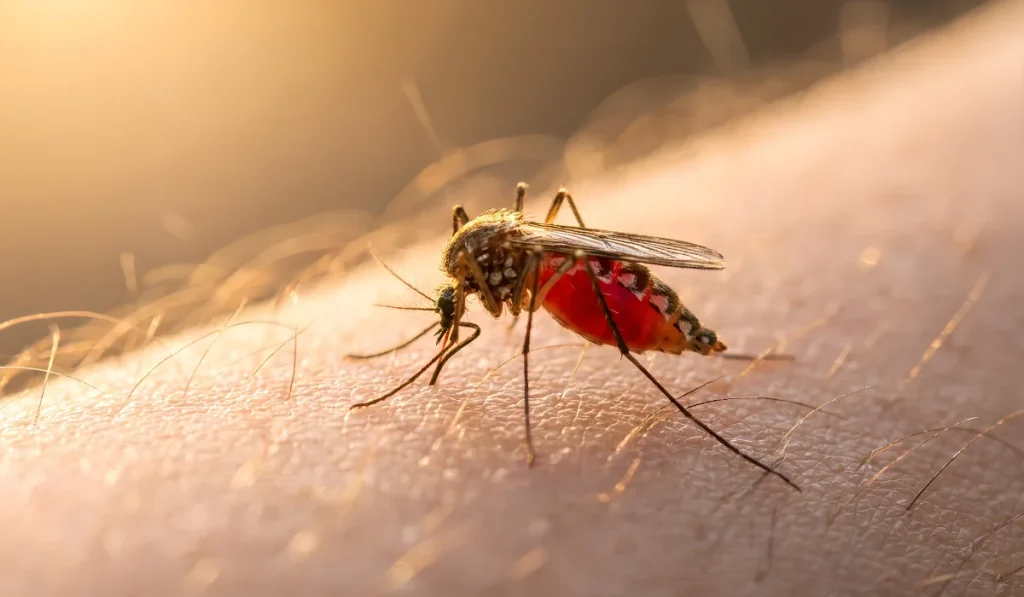
Mosquitoes can make a deck, patio, or backyard difficult to enjoy, but reducing activity starts with understanding what around your property may be supporting it. For Metro Atlanta homeowners, managing mosquitoes in Georgia means looking for standing water, checking gutters and outdoor containers, maintaining shaded landscaping, and correcting other yard conditions that can support mosquito activity. Below, you will learn where to look around your property, how to reduce common breeding and resting areas, where to find reliable health guidance, and what professional mosquito control can address when routine yard maintenance is not enough.
Why Mosquitoes in Georgia Become a Problem Around Metro Atlanta Homes
Mosquito activity can differ from one property to the next because yards contain different combinations of water, vegetation, shade, and outdoor clutter. Smart Solutions’ mosquito inspection process specifically looks for standing water in containers, clogged gutters, bird baths, tree holes, and larger water-holding areas. Its broader property inspections also identify standing water as a mosquito breeding concern.
Some of these conditions are easy to see. Others can sit behind a shed, under a deck, inside an unused container, or among landscaping where you rarely look. That is why checking the entire property is more useful than concentrating only on the patio or doorway where you notice the most bites.
Sheltered areas deserve attention as well. Smart Solutions’ mosquito-control protocol includes recommendations for dealing with brush, rock piles, construction debris, wood piles, clogged gutters, and other yard conditions where appropriate. Adult mosquito treatment also focuses on shaded vegetation.
Start With The Conditions You Can Change
A practical mosquito inspection should focus first on water and yard conditions you can correct. Check for:
- Containers or outdoor objects holding rainwater
- Clogged gutters
- Bird baths
- Tree holes that retain water
- Larger areas where water remains
- Brush, debris, or other unnecessary outdoor clutter
- Dense, shaded vegetation around frequently used parts of the yard
Not every property will have all of these issues. The goal is to identify which conditions are present at your home and address those first.
What Mosquito Season In Georgia Means For Homeowners
Rather than relying on one date to tell you when mosquito season starts or ends, watch what is happening around your property. Rain and irrigation can refill containers and expose drainage problems, while regular yard use can introduce new objects that hold water. A gutter that drained correctly earlier may also become blocked later by leaves or debris.
This makes repeated inspections more useful than a one-time cleanup. After rain or irrigation, walk the same route around your home and check areas where water has collected before. Include side yards, storage areas, decks, gutters, landscaping, and less visible sections of the property.
Smart Solutions treats mosquito control as recurring seasonal work rather than a one-visit service. The company’s service information recommends treatment at approximately three-week intervals, with eight to ten treatments during a season. That schedule reflects the need to keep monitoring a yard as conditions change.
Why A Property Can Change Between Inspections
One inspection can tell you what is happening at that moment, but outdoor conditions do not remain fixed. A container can fill after a storm. Leaves can clog a gutter. Landscaping can become denser as it grows. A low area that appeared dry during one visit may hold water later.
For that reason, mosquito prevention works best as part of normal yard maintenance. Regular checks can help you catch manageable problems before they become recurring sources of mosquito activity.
Why Breeding Sites And Adult Resting Areas Need Different Attention
A mosquito-control plan should look at both water-holding areas and the places where adult mosquitoes are active. Smart Solutions’ service protocol treats these as separate parts of the yard inspection and treatment process. Remaining standing water may be addressed directly, while shaded vegetation may be targeted for adult mosquito control.
For homeowners, this distinction helps explain why addressing only one part of the yard may leave other conditions unchanged.
| Area Of Concern | What To Look For | Practical Response |
|---|---|---|
| Standing water | Containers, bird baths, clogged gutters, tree holes | Remove unnecessary water and correct the source when practical |
| Persistent water | Larger wet areas or water that cannot easily be emptied | Consider drainage or landscape changes and professional evaluation |
| Shaded vegetation | Dense shrubs and protected planting areas | Maintain vegetation and inspect sheltered sections of the yard |
| Yard clutter | Brush, rock piles, construction debris, poorly arranged wood piles | Remove or reorganize unnecessary material around the property |
The table is not a substitute for an inspection. It gives you a starting point for deciding whether you are dealing mainly with a maintenance issue, a drainage concern, or conditions that may benefit from professional mosquito control.
Where To Find Reliable Mosquito Health Information In Georgia
Questions about mosquito-borne illness deserve reliable, current information rather than assumptions based on how many mosquitoes you see around your home. The Georgia Department of Public Health is the appropriate state resource for Georgia public-health information and surveillance.
For national guidance, the CDC’s mosquito resources provide information for homeowners who want to understand mosquito-related health concerns and ways to reduce exposure to bites.
Using public-health sources is especially helpful because the number of mosquitoes you notice in a yard does not, by itself, tell you what the current disease situation is. If you have a health-related concern, rely on current state or federal guidance rather than neighborhood posts, social media, or an assumption based only on recent bites.
Pair Yard Management With Bite Prevention
Reducing mosquito-friendly conditions around your property is one part of limiting how often you encounter mosquitoes. Personal bite-prevention measures and well-maintained home barriers, such as intact screens, can support that effort when you spend time outside or keep windows and doors open.
For current health recommendations, use Georgia DPH or CDC guidance rather than relying on a pest-control article for medical advice. That keeps the purpose of your yard plan clear: identify and reduce the property conditions contributing to mosquito activity.
How To Reduce Mosquitoes Around Your Metro Atlanta Yard
The easiest place to begin is with a systematic walk around the property. Instead of waiting until mosquitoes become noticeable near a seating area, check for conditions that can support activity throughout the yard.
Check For Standing Water After Rain Or Irrigation
Look at gutters, containers, bird baths, tree holes, outdoor equipment, storage areas, and other places where water can remain. Empty unnecessary water when practical and determine why the area collected it in the first place.
If the same location keeps filling, fixing the source may be more useful than repeatedly emptying it. A clogged gutter, for example, calls for gutter maintenance. A larger area that holds water may need a drainage or landscape solution.
Smart Solutions’ mosquito protocol follows this same source-reduction approach. The company begins by inspecting the yard and recommending changes to standing-water sources before addressing water that remains.
Maintain Shaded And Cluttered Areas
Water is not the only part of the inspection. Pay attention to thick vegetation, brush, debris, and other sheltered areas around the yard.
You do not need to remove healthy landscaping simply because it provides shade. Instead, focus on unnecessary overgrowth, clutter, and neglected material that can make parts of the property difficult to inspect and maintain. Keeping these areas orderly also makes it easier to notice new water sources after rain.
Recheck The Yard Instead Of Treating Cleanup As A One-Time Job
Mosquito prevention is easier when you build it into routine yard care. Recheck known trouble spots after weather changes, gutter cleaning, landscaping work, or changes to outdoor storage.
That repeated inspection is especially useful on properties with mature landscaping or multiple outdoor features. You already know where water or heavy shade tends to occur, so those locations can become the first places you check.
How Professional Mosquito Control Works In Metro Atlanta
Professional mosquito control can help when the source is difficult to identify, water cannot easily be removed, or mosquito activity continues despite routine property maintenance.
Smart Solutions starts with a yard inspection and source-reduction recommendations. Its documented mosquito-control process includes addressing remaining standing water, recommending landscape changes for larger water concerns, and treating shaded vegetation where adult mosquitoes are active.
This approach keeps the service focused on conditions found at the property rather than treating every yard exactly the same.
What To Expect From Routine Mosquito Service
According to Smart Solutions’ service information, a mosquito treatment takes approximately 30 minutes, although the time can vary with yard size. No special yard preparation is required before the technician arrives.
For ongoing mosquito control, Smart Solutions recommends eight to ten treatments during the season at approximately three-week intervals. The company does not offer the same guarantee for a one-time mosquito treatment, but routine-service customers can receive a no-cost retreatment if activity occurs within the three-week service interval.
Professional treatment does not replace property maintenance. It works alongside source reduction, gutter upkeep, landscape management, and attention to recurring water problems.
Making Mosquito Control Part Of Your Metro Atlanta Yard Routine
Managing mosquitoes in Georgia starts with the parts of your property you can inspect and maintain. Look for standing water, keep gutters functioning, monitor bird baths and containers, pay attention to tree holes and persistent wet areas, and keep shaded or cluttered sections of the yard manageable. Repeating those checks helps you respond when conditions change instead of waiting until mosquito activity becomes difficult to ignore.
If mosquitoes continue to interfere with your outdoor space after you address the obvious sources, Smart Solutions Wildlife Removal and Pest Control can inspect the property and determine which conditions may be contributing to the problem. When you are ready to discuss mosquito service for your Metro Atlanta home, you can contact Smart Solutions to schedule an evaluation and review the options for your yard.




