
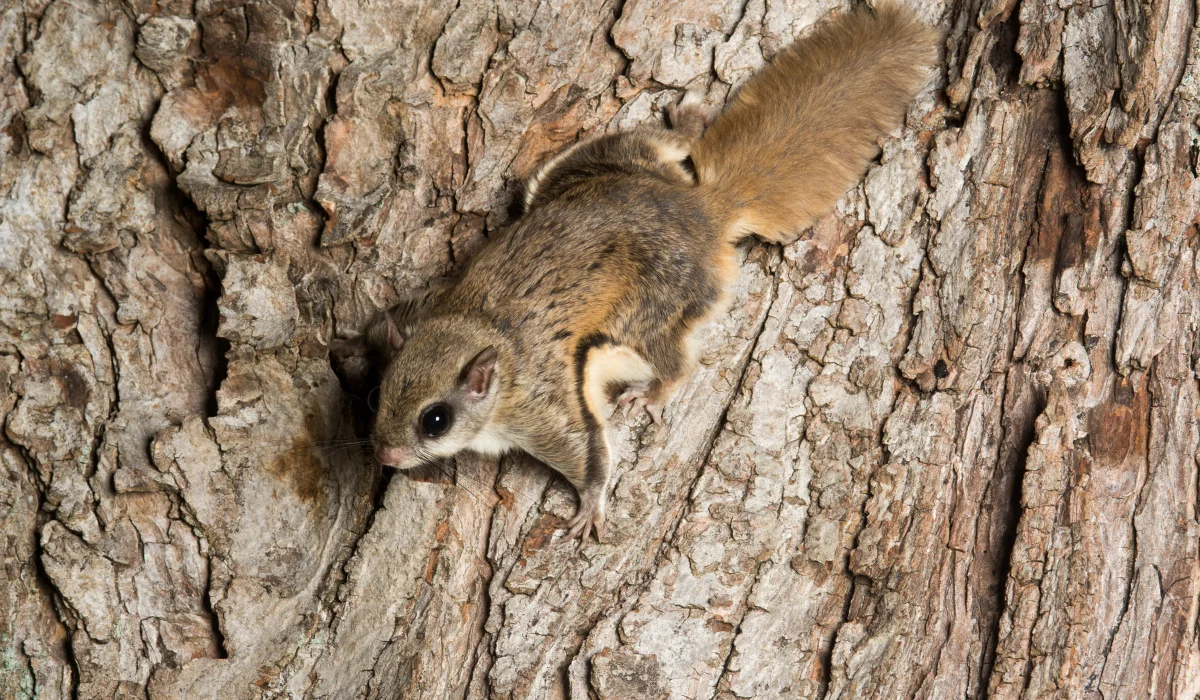
If you’ve ever heard scratching or scurrying above your ceiling, you may have squirrels nesting in your attic. Many Georgia homeowners notice that even after removal, the same squirrels seem to come back. This leads homeowners to wonder: Do squirrels return to the same nest in Georgia attics?
Squirrels do, especially when the attic offers warmth, shelter, and easy access to food. Attics make ideal nesting spots for gray squirrels and flying squirrels, both of which are common in the state of Georgia. Once they find a safe space to raise their young, they remember it and often return to that same space.
In this guide, we’ll explain why squirrels reuse old nests, how to spot the signs, and what steps to take to keep them out for good. We’ll also discuss which squirrel species cause homeowners the most problems, why repellents don’t work, and how professional rodent control can help.
Key Takeaways
- Squirrels reuse old nests when they’re safe, warm, and close to food.
- Flying squirrels often nest in groups and can reenter through tiny openings.
- Proper exclusion and sanitation are the only lasting ways to stop them.
- Professional wildlife control ensures humane removal and permanent results.
Why Squirrels Return To The Same Nest In Georgia Homes
Squirrels in Georgia are creatures of habit. Once they find a safe place, they’ll return, especially if it keeps them dry and protected from predators. In Georgia, gray squirrels and flying squirrels often choose attics over trees during cold, wet weather.
Usually, squirrels live in tree cavities or leafy nests. However, when trees get trimmed or food becomes scarce, they move into attics, crawlspaces, or soffits. Inside, they find nesting materials like insulation, cardboard, and paper. Your attic also protects them from raccoons and owls.
They also remember successful nesting sites. If your attic sheltered them once, they’ll return unless you seal every entry point and eliminate food attractants.
When Squirrels Are Most Active In Georgia
In Georgia, squirrels are most active during late winter and late summer, which align with their two breeding seasons. Female squirrels look for warm, quiet spaces, like attics, to raise their litters of baby squirrels or nestlings safely.
After the young leave the nest, adults may move out in the spring or fall, but often return when the weather gets cold again. Flying squirrels, which stay active year-round, glide from tree branches to rooftops at night, slipping through small gaps around vents and fascia boards.
Homeowners in Atlanta, Roswell, and Marietta usually notice the most attic activity during the coldest weeks of late winter, when adult squirrels raise new litters.
How Long Squirrels Use The Same Nest
A typical squirrel nest can last several years if left undisturbed. Female squirrels often reuse their nests for their first year and beyond, especially if they’ve raised healthy litters there. Young squirrels born in attics may even return as adults to build nests in the exact location.
Each breeding season brings two or more litters of fledglings, which quickly learn the nesting areas and nearby food sources. These instincts make Georgia attics long-term hotspots for squirrel families.
Without professional sealing, the same lineage of squirrels can continue to return to one attic for generations. This is why, for Georgia homeowners, professional rodent exclusion is crucial before the winter months.
Signs That Squirrels Have Returned To Your Attic
Because squirrels nest in attics during the fall in Georgia, it’s easy to miss early signs of squirrel activity, but these clues can confirm their return:
1. Scratching Or Chewing Sounds
Noise in the attic, especially early in the morning or late at night, is a strong indicator. Gray squirrels move during the day, while flying squirrels are active after dark.
2. New Openings Or Gnaw Marks
Squirrels chew through wood, vents, and wires to keep their teeth short. Look for fresh marks around fascia, soffits, and gables.
3. Nesting Materials
Squirrels use shredded insulation, leaves, and paper to rebuild old nests. If you find these, there may also be nestlings or young squirrels present.
4. Droppings And Odors
Squirrel droppings and urine create strong smells and can attract other wildlife. If you notice odors or stains near entry points, activity has likely resumed.
5. Other Wildlife Visitors
Old squirrel nests may draw baby birds, bats, or even raccoons seeking warmth and shelter.
When these signs appear, professional help prevents more damage and ensures humane handling of any remaining animals.
The Role Of Food Sources In Repeat Infestations
Squirrels rarely stray far from food. As it turns out, squirrels eat just about anything. In Georgia neighborhoods, they rely on bird feeders, acorns, gardens, and pet food left outdoors in the backyard, making your property even more inviting.
Gray squirrels often visit bird feeders several times a day and hide extra food in gutters or attics. Flying squirrels prefer seeds and nuts, especially those that have been spilled, such as birdseed. Over time, these easy meals help reinforce the habit of returning home.
Cleaning up fallen nuts, installing squirrel-proof feeders, and keeping trash sealed can reduce their motivation to return.
How Squirrels Re-enter Georgia Attics
Squirrels can squeeze through openings as small as a golf ball. They often find or create access through:
- Loose soffits and damaged fascia
- Roofline gaps or missing vent screens
- Construction holes near chimneys
- Chewed edges on roof returns or trim
They’re strong climbers and jumpers, often leaping from tree branches or nearby fences to reach your roof. Once inside, they quickly rebuild nests and breed.
Because they remember and reuse access routes, permanent exclusion is critical to breaking the cycle.
Why Flying Squirrels Are A Bigger Challenge In Georgia
Flying squirrels cause more problems than most people realize. These small, nocturnal gliders live in colonies and share attics for warmth. One infestation can include up to a dozen animals.
They prefer quiet spaces and can enter through openings smaller than a quarter. Once inside, they leave droppings, chew wiring, and build group nests that grow quickly. During colder months, they rarely leave the attic, which means infestations can worsen fast.
Removing them safely requires special trapping and exclusion methods. At Smart Solutions, our Georgia wildlife removal services employ humane removal methods rather than harsh extermination, ensuring both practical and ethical results.
Why Repellents Alone Don’t Work
Many homeowners try repellents, lights, or sound devices to deter squirrels. Unfortunately, these methods rarely solve the problem.
Once a squirrel builds a nest and raises young, instinct takes over. Mother squirrels will endure loud noise or unpleasant smells before abandoning their baby squirrels, nestlings, or fledglings. When they mature, those same young often return to the same attic to nest again.
The only lasting solution is complete removal, sealing, and sanitation by trained professionals.
Safe And Humane Squirrel Removal In Georgia
At Smart Solutions Wildlife Removal, our squirrel removal process focuses on safety, effectiveness, and prevention:
- Inspection & Identification – We locate nests, droppings, and all entry points.
- Trapping & Exclusion – We use humane one-way doors, allowing squirrels to exit but not reenter.
- Cleanup & Sanitation – We remove debris and deodorize to eliminate pheromones that attract others.
- Repairs & Sealing – We reinforce weak spots around soffits, vents, and fascia with chew-proof materials.
- Follow-Up & Maintenance – We provide ongoing pest control and attic checks to prevent recurrence.
We also work closely with licensed rehabbers if we find baby squirrels or injured wildlife during the removal process. This ensures humane relocation and compliance with Georgia wildlife laws.
The Importance Of Attic Cleanup After Removal
Even after squirrels are gone, their scent remains. Droppings, urine, and nesting debris release pheromones that attract new animals. Proper clean up after rodents removes these odors and prevents reinfestation.
Our team uses HEPA vacuums and safe disinfectants to restore your attic. We also check insulation and wiring for damage. Without this step, young squirrels from nearby areas may be drawn to your home during their first year of nesting.
Combining sanitation with exclusion keeps your attic protected in the long term.
How To Prevent Squirrels From Coming Back
To keep squirrels out for good, remove attractants and block access:
- Trim tree branches six feet or more from the roof.
- Install vent covers and secure chimney caps.
- Replace damaged fascia and soffits.
- Avoid overfilling bird feeders and clean up spilled seed.
- Seal cracks, gaps, and holes around the attic as soon as possible.
By cutting off food and access points in your backyard, you make your home far less appealing to squirrels and other wildlife.
Why Professional Wildlife Control Works Best
DIY methods may seem simple, but they rarely address the real problem. Without complete sealing, squirrels and their offspring will continue to return.
Professional wildlife control ensures the humane removal, complete exclusion, and sanitation of attics and other areas to prevent further damage. At Smart Solutions, our trained technicians can identify hidden gaps, seal them properly, and coordinate with licensed rehabbers when necessary. We also offer year-round pest control through our SmartGuard plans for ongoing protection.
With decades of experience across Georgia, we back our work with a satisfaction guarantee.
Protecting Your Georgia Home From Future Infestations
Squirrels remember where they’ve found safety before, and unless you’ve sealed your attic, they’ll return. Whether you live in Atlanta, Roswell, Marietta, or the surrounding areas, Smart Solutions Wildlife Removal provides the expertise and long-term prevention your home needs.
Our team handles every step, from humane trapping to attic cleanup and permanent sealing, ensuring your home remains quiet and pest-free throughout the year. We also educate homeowners about reducing attractants and scheduling follow-up inspections.
Keeping Georgia’s Attics Wildlife-Free
Squirrels return to the same nests because your attic offers everything they need: warmth, safety, and nearby food. With professional help, you can stop this cycle permanently.
At Smart Solutions Wildlife Removal, we’ve helped Georgia homeowners protect their homes for more than fifteen years with professional squirrel removal. From gray squirrels and flying squirrels to baby birds or nestlings, our humane approach ensures your attic stays clean and quiet. Contact us today to schedule an inspection and reclaim your home from unwanted wildlife.
FAQs
Do Squirrels Return To The Same Nest Every Year?
Yes. Squirrels often reuse old nests that kept them safe in previous seasons. Young squirrels born there may return during their first year to build their own nests.
How Do I Stop Squirrels From Coming Back To My Attic?
Seal every opening, trim branches, and remove outdoor food sources, such as acorns and birdseed, to prevent wildlife from entering. Professional exclusion is the only lasting fix.
What Should I Do If I Find Baby Squirrels Or Nestlings In My Attic?
Do not try to move them yourself. Contact a licensed rehabber or a professional wildlife control company, such as Smart Solutions, to handle removal safely and legally.




