
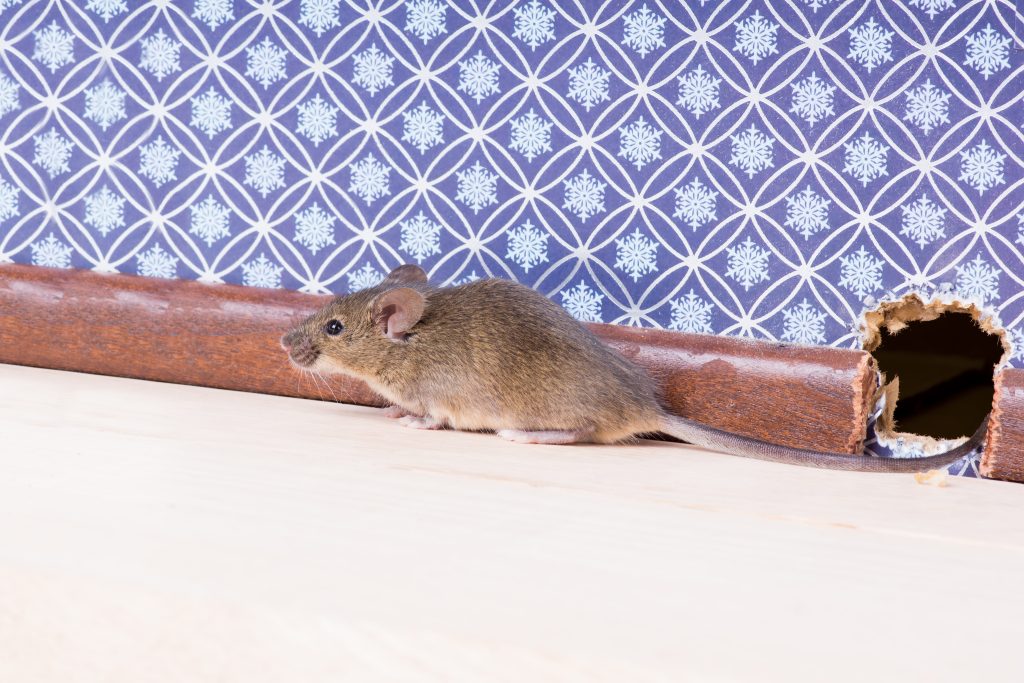
You head into the attic to grab a storage bin and notice sections of insulation that look flattened, torn apart, or pushed into small piles. Nearby, there are bits of shredded paper, fabric, or other nesting material tucked between the insulation. These can be early mouse nest in insulation signs, and they often indicate that rodents have been using the area as a sheltered nesting site.
Mice frequently build nests in attics, walls, and crawl spaces because insulation provides warmth, protection, and easy access to hiding places. In this article, you’ll learn how to recognize the most common signs of a mouse nest in insulation, where mice typically build nests inside homes, and what those clues may reveal about the extent of rodent activity in your Roswell property.
Key Takeaways About Mouse Nests in Insulation
- Mice can nest in hidden areas of your home, and recognizing the signs early helps you understand the scope of rodent activity before it worsens.
- Disturbed or compressed insulation, scattered nesting materials, and droppings in attic spaces or wall voids are common indicators that mice may be present.
- Addressing gaps and openings around your home can help limit rodent access, while a professional inspection may reveal nesting spots that are difficult to reach on your own.
- Understanding where mice tend to settle and what draws them to certain spaces gives you a clearer picture of what to look for and when to act.
How to Identify a Mouse Nest in Your Insulation
Insulation provides warmth, protection, and nesting material, which makes it an attractive location for mice. Knowing what a nest looks like and where mice commonly build them can help you identify rodent activity before it spreads to other areas of the home.
How to Tell Mouse Nest Types Apart
Mouse nests in insulation typically appear as loosely gathered clumps of shredded material. You may notice tunneled paths or compressed sections where mice have burrowed. Droppings, urine staining, or a musty odor near disturbed insulation can help confirm that the gathered material is an active nest rather than settling or weathering of old insulation.
Nests are often hidden behind stored items, ductwork, HVAC equipment, or framing components, where mice can remain undisturbed.
How to Spot Mouse Nest Activity in Insulation
Attics and crawl spaces are the first places to check. Look for sections of insulation that appear pulled apart, flattened, or rearranged into compact bundles. Scattered droppings along rafters or joists near disturbed insulation are a strong indicator of ongoing activity.
Listen for scratching or rustling sounds at night, especially in ceiling areas directly above living spaces. Greasy rub marks along beams or wall edges near insulation can also point to repeated mouse traffic in those zones.
Most Common Mouse Nest in Insulation Signs
Several signs often appear before homeowners find an actual nest. Disturbed insulation, shredded paper or fabric, droppings, urine odors, scratching sounds, and visible pathways through insulation are some of the most common indicators. When multiple signs appear in the same area, the likelihood of an active nest increases.
In Roswell homes, these signs are frequently discovered in attics, crawl spaces, garage walls, and other low-traffic areas where mice can remain hidden for extended periods.
Exterior Entry Points Mice Use to Reach Your Insulation
Mice reach insulation by squeezing through gaps around the outside of your home. Inspect where utility lines, pipes, or conduit enter the structure. Even small openings around these penetrations can serve as entry points.
Foundation vents, soffit gaps, and deteriorating weatherstripping around garage doors are additional access routes. Addressing these openings is a practical first step toward reducing the chance that mice will reach your insulation and build nests inside.
Why Mouse Nest Problems Develop in Insulation
Insulation provides many of the conditions mice need to establish a nest. Attics, crawl spaces, and wall cavities are often quiet, rarely disturbed, and filled with soft material that can be used for shelter. These characteristics make insulated spaces some of the most common nesting locations inside a home.
Outdoor Nesting Areas That Lead Mice to Your Insulation
Outdoor conditions often contribute to indoor rodent problems. Woodpiles, dense vegetation, stored materials, and other sheltered areas near the foundation can provide cover for mice before they move into the home. When these harborage areas are located close to the structure, access to attics, crawl spaces, and wall voids becomes easier.
Food and Shelter That Attract Mice Near Your Home
Pests seeking shelter build nests or hibernate within walls, attics, or living quarters. Insulation is one of the soft, fibrous materials mice pull apart and reshape for nest construction. Crawl spaces and attic spaces provide the undisturbed cover pests prefer. These areas tend to stay dark and see little foot traffic, which makes them appealing as long-term shelter.
How Mice Move Through Your Home’s Insulation
Mouse activity is rarely limited to a single location. A nest discovered in attic insulation may be connected to activity inside wall voids, crawl spaces, or ceiling cavities. As mice travel through the structure in search of food and water, they often create multiple pathways between nesting and feeding areas.
Risks From Mouse Nests in Insulation
Discovering signs of a mouse nest in your insulation raises concerns beyond the mess itself. When rodent nests are present inside a structure, secondary problems can follow. Understanding these risks helps you decide how quickly to respond.
Health Risks Linked to Mouse Nests in Insulation
One concern tied to rodent nests in insulation is the possibility of mite activity. According to Texas A&M AgriLife Extension, infestations of certain mites typically occur in structures where rodent nests are located. When mice settle into insulation, these mites may establish themselves nearby and bite occupants in rooms close to the nest. Unlike bed bugs, these mites do not hitchhike on people or belongings, so the issue tends to stay concentrated near the nesting area.
Property Damage From Mouse Nests in Insulation
When mice move into insulation, the nesting area itself becomes compromised. Disturbed or compressed insulation can lose its ability to regulate temperature in your home. Droppings and urine left around the nesting site may also affect indoor conditions over time. The longer a nest remains in place, the more the surrounding material may deteriorate.
How Mouse Activity Affects Food Storage Areas
Mice that nest in insulation still travel throughout the home in search of food and water. Kitchens, pantries, utility rooms, and pet feeding areas often become part of their routine travel paths. Evidence of activity in these areas may indicate that nesting sites are located nearby.
When to Take a Closer Look at Mouse Activity
If you notice droppings, torn insulation, or unexplained bites limited to certain rooms of your home, those patterns may point to a nearby rodent nest. Patterns matter. If droppings, odors, scratching sounds, or insulation damage appear repeatedly in the same area, there may be an active nesting site nearby. Identifying where these signs are concentrated can help narrow down the location of the nest.
Professional Pest Control for Mouse Nests in Insulation
When you spot signs of a mouse infestation in your insulation, the next step is figuring out how to address the problem and keep it from returning. A combination of reducing what draws mice in, sealing off entry points, and working with a professional can help you regain control of your attic and wall spaces.
How to Reduce Attractants for Mice Nesting in Insulation
Mice look for sheltered spaces where they can settle in undisturbed. Limiting access to those spaces is one of the most practical steps you can take. According to the EPA, plugging small openings with steel wool or patching larger gaps in walls can cut off the routes mice use to reach your insulation.
Focus on any visible gaps around your home’s exterior, particularly where utility lines or pipes enter the structure. Steel wool works well for smaller holes because mice have difficulty chewing through it. For larger openings, patching the wall material itself creates a more lasting barrier.
Keeping storage areas tidy and reducing clutter near walls and in attics also removes the cover mice prefer when moving through a home. The fewer hiding spots available, the less inviting your insulation becomes as a nesting location.
Why Mouse Nest Control Starts With Inspection
An inspection that covers entry points, attic spaces, and wall voids is the foundation of any mouse infestation response. Without understanding where mice are entering and where nesting activity is concentrated, any treatment effort may miss the core of the problem.
A rodent control expert can assess gaps in walls and identify the points where mice are gaining access. This step helps determine how extensive the infestation is and what areas of insulation have been affected, so the response can be targeted rather than guesswork.
Inspection also reveals whether openings need to be sealed with steel wool, patched, or addressed with other materials. Skipping this step often means mice find their way back in through the same routes.
What to Expect During Professional Mouse Nest Treatment
If you have a mouse infestation and prefer professional assistance, hiring a rodent control expert is a practical option. A professional can evaluate the scope of nesting activity in your insulation and develop a plan suited to your home’s layout.
Part of the process typically involves sealing entry points. A rodent infestation that goes unaddressed at the entry level often continues even after nests are removed.
Smart Solutions Pest Control provides rodent management services that include attic and crawl space inspections, exclusion work, entry-point sealing, and follow-up monitoring. Identifying nesting areas and addressing the conditions that allow mice inside are key parts of the process.
What to Expect From a Mouse Nest Control Plan
A well-structured control plan focuses on both the current mouse infestation and long-term prevention. Sealing gaps in walls and plugging openings with steel wool are standard parts of any rodent infestation plan, since these steps address the root cause of repeated nesting.
Your plan may also include follow-up visits to confirm that sealed entry points are holding and that no new signs of mouse activity have appeared in your insulation. Ongoing monitoring helps catch any new gaps before they become entry points for another infestation.
Every home is different, so a rodent control expert can tailor the approach based on what the inspection reveals. The goal is a plan that fits your home’s specific vulnerabilities rather than a one-size-fits-all response.
Mouse Nest in Insulation Signs: Bottom Line
Recognizing mouse nest in insulation signs early can help prevent a small rodent issue from becoming a larger infestation. Disturbed insulation, nesting material, droppings, and recurring activity in attics or wall spaces all deserve closer attention. If you’re noticing these signs around your Roswell home, a professional inspection can help identify the source and determine the next steps. Contact Smart Solutions to schedule an inspection and discuss your options.
Frequently Asked Questions
What does a mouse nest look like in insulation?
A mouse nest in insulation typically appears as a hollowed-out pocket surrounded by shredded or disturbed material. You may notice tunnels, compressed areas, or scattered debris nearby. Droppings and gnaw marks in the surrounding area often confirm that the disturbance is from mice rather than settling or weather damage.
Where should I check for nests?
Attic insulation is a common place to look, but mice may also nest inside wall voids and crawl spaces. Focus your inspection on areas where you have already noticed droppings, rub marks, or sounds like scratching or scurrying, since mice tend to stay close to their nesting sites when foraging.
Can a nest in insulation cause ongoing problems?
Yes. Mice disturb and compress insulation, which can reduce its performance over time. Accumulated droppings and urine in nesting areas may also create persistent odors. In some cases, nesting activity attracts secondary pests that move into the same spaces once mice are established.
Should I handle removal myself or call a professional?
Small, visible nests in accessible areas may seem manageable, but mice often nest in hard-to-reach spots like wall voids or deep attic spaces. A professional can locate hidden nesting sites, address entry points, and help prevent mice from returning. This is especially helpful when signs appear in multiple areas of the home.




