
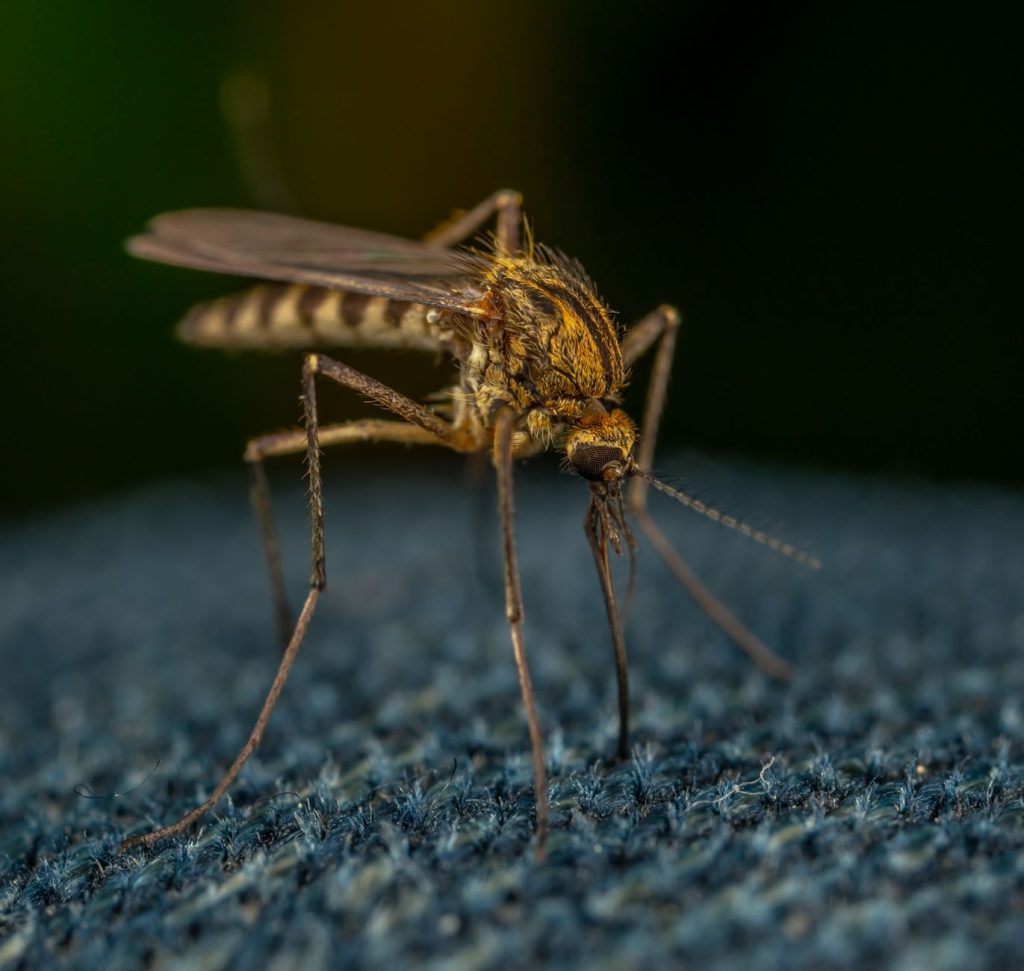
Mosquitoes can create costly problems when signs are missed. Learn the mosquito lifespan, what to look for, why it matters, and when to call Smart Solutions.
Key Takeaways About Mosquito Lifespan
- Mosquitoes move through four life stages, and understanding each phase can help you recognize breeding activity around your home.
- Female mosquitoes require a blood meal to develop their eggs, which is why they bite humans and animals.
- Standing water on your property, even in small amounts, can support mosquito development from egg to adult.
- Reducing water sources and working with a mosquito control professional are two practical ways to limit mosquito populations near your home.
How to Identify Mosquitoes
Understanding the mosquito lifespan starts with recognizing the stages these insects move through and where each stage occurs around your property. Female mosquitoes lay eggs after obtaining a blood meal, and those eggs can hatch in less than three days under the right conditions, according to Purdue Extension. Knowing what to look for at each phase helps you spot activity early.
How to Tell Mosquito Lifespan Stages Apart
The mosquito lifespan includes four distinct stages: egg, larva, pupa, and adult. Female mosquitoes may deposit up to 400 eggs at a time on the surface of water or in spots where water is likely to accumulate. Larvae, sometimes called wrigglers, develop over roughly 7 to 10 days before transitioning into pupae, often called tumblers. Adults then emerge two to three days after the pupal stage begins.
Eggs can also be placed on soil or near plant bases in areas that may collect water. As the EPA notes, these eggs can endure dry conditions for several months, which means activity may resume long after visible water has disappeared.
How to Spot Mosquito Activity Inside Your Home
Indoor mosquito activity is usually tied to adults that have already emerged. You may notice them resting on walls, ceilings, or near windows. Because earlier life stages require water, finding larvae or pupae indoors typically points to a container or fixture holding stagnant water, such as a drip tray or floor drain.
Where Mosquito Activity Shows Up Around Homes
Outdoors, look for the aquatic stages in any area where water sits undisturbed. Larvae are visible as small, wriggling forms just below the water surface. Pupae can be seen tumbling near the top of standing water. Because eggs survive dry periods for months, even a temporarily dry birdbath or low spot in your yard may harbor viable eggs waiting for the next rain.
Exterior Entry Points Mosquitoes Use
Adult mosquitoes are the stage most likely to enter your home. They follow air currents through gaps around doors, windows, and any unsealed openings. Reducing standing water near entry points limits the number of adults emerging close to your home, since the full cycle from egg to adult can progress quickly once water is present.
Why Mosquito Problems Develop
Understanding why mosquitoes thrive around your property starts with how their life cycle connects to everyday conditions. Standing water, plant cover, and available hosts all play a role in helping mosquitoes complete development and persist near your home.
Outdoor Nesting Areas for Mosquito Lifespan
Female mosquitoes deposit eggs on the surface of standing water, on vegetation, or on other structures near water. According to Kansas State University Extension, a single female can lay 100 to 300 eggs in her lifetime. Any container or low spot that holds moisture can become a nesting site. Hatching time depends on water temperature, food availability, and the mosquito species involved.
Food and Shelter That Attract Mosquitoes
Adult mosquitoes feed on nectar and other plant juices for energy. Yards with dense vegetation or flowering plants can provide both food and resting cover. Females also require a blood meal to nourish their eggs, which draws them toward people and animals near the home.
How Mosquitoes Move Around Homes
The full mosquito life cycle can complete quickly. According to the EPA, it typically takes about two weeks, but depending on conditions it can range from four days to as long as a month. That speed means a small puddle in your yard can produce adults before you notice it.
Pupae, sometimes called “tumblers,” stay in water but do not feed. Within two days to one week in this stage, adults emerge and become airborne.
Trails and Entry Points Mosquitoes Use
Because every immature stage is aquatic, mosquitoes develop wherever water collects. Clogged gutters, plant saucers, birdbaths, and similar spots around your home can all support larvae. Reducing standing water removes the habitat mosquitoes need to complete their life cycle and limits the number of adults near your living spaces.
Risks From Mosquitoes
Understanding how long mosquitoes live helps you see why they cause ongoing problems around your home. Each stage of their life cycle creates a different type of nuisance or concern, from water-dwelling larvae to biting adults that can persist for weeks.
Health Risks Linked to Mosquito Lifespan
Only female mosquitoes bite and consume blood from humans or animals. According to UC IPM, the protein digested from a blood meal is used to complete metamorphosis to the next life stage or to produce eggs. This feeding behavior connects the mosquito lifespan directly to bite exposure around your yard.
Because females need blood meals at multiple points during their adult life, a single mosquito can bite more than once. The longer an adult female survives, the more opportunities she has to feed on you or your family members outdoors.
Property Damage From Mosquito Lifespan
Mosquitoes do not cause structural damage to your home. However, any container, low spot, or fixture on your property that holds water can become a breeding site, making neglected areas of your yard part of the problem.
Certain mosquito species may also feed on the blood of reptiles and other animals. Adult Culiseta melanura females, for example, feed on lizard blood in the southern part of their range. This means mosquito activity can affect animals around your property as well.
Food Areas and Mosquito Lifespan Activity
Outdoor dining and cooking spaces can draw mosquitoes because people gather there. Patios, decks, and other spots where you spend time become higher-risk areas during the adult stage of the mosquito lifespan.
When to Look Closer at Mosquito Lifespan Activity
According to Kansas State University Extension, the larval stage is when control can be most useful. If you notice larvae in standing water on your property, that is a strong signal that adult mosquitoes will follow soon.
Under favorable conditions, eggs can hatch in as little as 24 hours. Checking your property regularly for standing water helps you catch breeding activity before adult mosquitoes become a persistent nuisance.
Professional Pest Control for Mosquitoes
Understanding where mosquitoes lay eggs and how they develop helps you see why professional control targets every stage of the lifespan. A trained service professional can identify breeding conditions around your property and apply treatments that address mosquito populations before they mature into biting adults.
How to Reduce Attractants for Mosquito Lifespan
Female mosquitoes seek out small water sources to deposit eggs, and the range of suitable sites may surprise you. According to the EPA, Aedes aegypti mosquitoes lay eggs in tree holes, artificial containers, tires, and even bottle caps. Removing or emptying these items around your yard reduces the places where eggs can develop through the mosquito lifespan.
Some species are drawn to very specific conditions. Certain adult females favor laying eggs in habitats with acidic water at a pH of 5.0 or lower, found in dark spaces such as those created by upturned root masses of trees in freshwater swamps. Awareness of these preferences helps you and your service professional pinpoint less obvious breeding sites.
Why Mosquito Control Starts With Inspection
A thorough inspection is the foundation of any mosquito control plan. Service professionals walk your property looking for standing water, shaded resting areas, and potential egg-laying sites. Because mosquitoes can use containers as small as a bottle cap, even minor oversights can sustain a breeding cycle.
Identification also matters during inspection. Males have feathery, plumose antennae, while females have antennae with only a few hairs. Bands of white scales in characteristic body locations are useful markings for species identification. Knowing which species are present helps guide treatment decisions.
What to Expect During Professional Mosquito Treatment
During treatment, a Smart Solutions Pest Control service professional focuses on the areas identified in the inspection. Targeting egg-laying sites and adult resting zones addresses both current populations and the conditions that support future generations. Treatment is tailored to the specific breeding habitats found on your property.
Your service professional may also point out structural or landscaping changes that can limit water accumulation. Fewer available breeding spots mean fewer opportunities for mosquitoes to complete their lifespan cycle around your home.
What to Expect From a Mosquito Lifespan Control Plan
A mosquito control plan from Smart Solutions is built around regular property assessments and ongoing attention to breeding conditions. Because mosquitoes can lay eggs in such a wide variety of locations, consistent monitoring is key. Your service professional will revisit known problem areas and check for new water accumulation after rain or irrigation.
The goal of the plan is to interrupt the mosquito lifespan at the stages where intervention can make a difference. By pairing habitat reduction with professional treatment, you help keep mosquito activity lower around your home throughout the season.
Mosquito Lifespan: Bottom Line
Understanding the mosquito lifespan helps you make smarter decisions about protecting your home and yard. Each stage depends on water and environmental conditions, which means reducing standing water is one of the most practical steps you can take. Because mosquitoes can complete their development quickly, staying ahead of breeding activity matters. If you want help managing mosquitoes around your home, contact Smart Solutions for a quote tailored to your property.
Frequently Asked Questions
How Long Does It Take a Mosquito to Develop From Egg to Adult?
The full life cycle can take roughly two weeks under typical conditions. Depending on factors like temperature and water availability, the process may range from just a few days to about a month. Warmer conditions and accessible water can speed things up considerably.
Why Do Mosquitoes Need Standing Water?
Females lay their eggs on or near water surfaces, and the first three life stages all take place in water. Larvae feed and grow in standing water before becoming pupae. Without a water source, the cycle cannot progress. Even very small amounts of collected water can support mosquito development.
Do Male and Female Mosquitoes Behave Differently?
Yes. Both males and females feed on nectar and plant juices for energy. However, only females bite, because they need the protein from blood to develop eggs. You can sometimes tell them apart by their antennae: males have feathery, plumose antennae, while females have sparser antennae with only a few hairs.
What Can I Do to Reduce Mosquito Breeding on My Property?
Focus on removing or draining any containers, low spots, or objects that hold water. Mosquitoes can lay eggs in surprisingly small water sources, including tree holes, old tires, and even bottle caps. Some eggs can survive dry conditions for several months, so emptying and overturning containers regularly is a worthwhile habit. Professional mosquito control can complement your efforts for broader coverage.




