
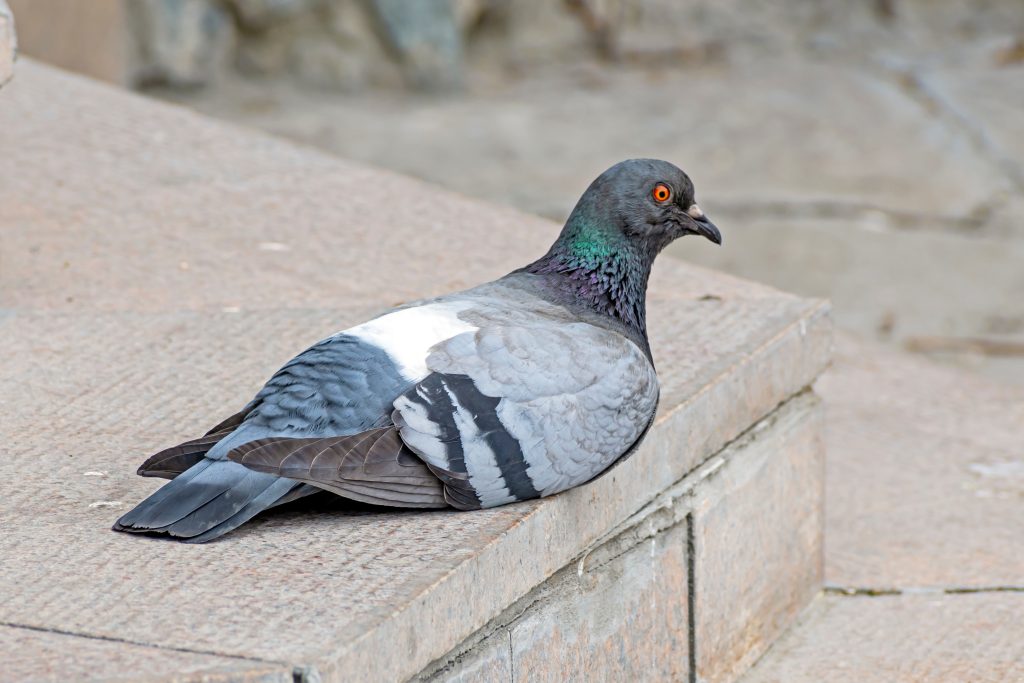
You settle into a chair on the porch to enjoy a quiet evening, only to hear fluttering overhead and see twigs tucked into the corner of a beam. A few days later, more nesting material appears, and birds are spending longer periods around the space. When a porch starts providing shelter and nesting opportunities, birds can quickly turn it into a regular stopping point. By understanding how to keep birds off porch, Georgia homeowners can reduce nesting opportunities, discourage roosting behavior, and make outdoor spaces less appealing to unwanted bird activity.
From covered ceilings and support beams to nearby food and water sources, several factors can make a porch appealing to birds. In this article, you’ll learn why birds choose certain porches, which species are most likely to settle around Georgia homes, and what steps can help discourage roosting and nesting activity.
Key Takeaways
- Birds can carry over 60 different types of diseases, and their droppings may pose health concerns for Georgia homeowners who share porch and patio spaces with roosting or nesting birds.
- A thorough inspection that identifies the bird species and locates nesting, perching, and roosting sites is the foundation of any lasting bird management approach for your porch.
- Professional exclusion options such as bird netting, spike installations, and deterrent products that work through touch, taste, smell, sight, and sound can help discourage birds from landing and settling on your porch.
- Starlings, pigeons, woodpeckers, and other nuisance birds each require different control strategies, so proper identification matters before choosing a prevention method.
How to Identify Nuisance Birds on Your Georgia Porch
Knowing what to look for is the first step toward keeping birds off your porch. Different species leave different clues, and the signs often overlap with secondary pest problems. A careful walk around your porch, eaves, and nearby structures can reveal nesting activity, droppings, and potential entry points before the situation grows.
How to Tell Common Porch Bird Species Apart
Georgia porches can attract several bird species, including pigeons, starlings, sparrows, and woodpeckers. Starlings are not native to the United States and are considered a pest bird. Some species will nest higher up in trees or wall cavities, while others prefer sheltered ledges and overhangs closer to your home. Identifying the species helps determine the right approach, since federally protected songbirds require specific precautions. Do not disturb nests if eggs or young birds of federally protected songbirds are present, according to the University of Minnesota Extension.
How to Spot Bird Activity Inside Your Home
Bird activity on or near your porch can lead to problems inside as well. Birds that enter vents are often starlings. Accumulated nesting material, feathers, and droppings around vent openings may indicate ongoing activity.
Bird mites normally remain on birds or in bird nests throughout their lives. When nests are built on or inside a structure, these mites can become a secondary concern for your household. Removing any dead birds you find and disposing of empty nests helps reduce this risk.
Why Bird Problems Develop on Georgia Porches
Birds settle on porches and overhangs for straightforward reasons: the structure offers shelter, warmth, and easy access to food. Understanding what draws them in helps you take steps to keep them away from your Georgia home.
Why Birds Choose Certain Porches
Birds are often drawn to porches that provide shelter, food, water, and nearby nesting opportunities. According to the University of Tennessee Extension, wildlife and pest activity is commonly influenced by access to food, moisture, and protected areas. Porches frequently combine several of these conditions in one location, making them attractive places for birds to roost and nest.
Birds are selective about where they roost and nest. Covered ceilings, exposed rafters, support beams, and elevated ledges provide shelter from disturbance while offering a stable place to rest or build a nest.
Porches located near trees, landscaping, water sources, or bird feeders are often more attractive because birds can access food, shelter, and nesting areas without traveling far.
How Birds Move Around Homes
Birds often move between nearby trees, rooflines, fences, and porch structures while searching for suitable roosting and nesting locations. A bird that regularly roosts in a nearby tree may eventually begin using a protected porch rafter or overhang as well.
Risks From Birds on Your Georgia Porch
When birds settle on your porch in Georgia, the concern goes beyond noise and mess. Nesting activity can introduce secondary pests and create conditions that affect both your health and your property. Understanding these risks helps you decide when basic cleanup is enough and when a closer look is warranted.
Health Risks Linked to Porch Bird Infestations
Accumulated droppings on or near a porch can create sanitation concerns, particularly when birds repeatedly roost or nest in the same location.
Bird nests in, on, or near structures can also harbor bird mites. These mites may bite people. They are small, roughly the size of a period, but can usually be seen with the naked eye. Bites are typically noticed only in specific rooms near the nests, and the mites do not hitchhike on people or belongings the way bed bugs do.
Property Damage From Birds on Your Porch
Droppings left on porch surfaces, railings, and outdoor furniture can build up quickly once birds establish a roosting or nesting spot. Over time, that accumulation can stain and degrade materials. Nests tucked into vents, eaves, or overhangs may block airflow and create moisture issues that affect the surrounding structure.
Food Areas and Bird Activity
A porch used for dining or entertaining becomes a more serious concern when birds are nesting nearby. Droppings may land on tables, grills, or food prep surfaces, making contamination a real consideration. Porches with active nests may create additional sanitation concerns, particularly when birds repeatedly roost near areas used for dining or entertaining.
When to Look Closer at Bird Activity
Unexplained bites or irritation in a room located near a porch nest may warrant a closer inspection. Bird mites can leave abandoned nests and move into nearby living spaces when their original hosts are no longer present. Because they are small enough to overlook, a detailed inspection of nesting and roosting sites around the porch is worth pursuing before the issue grows.
An inspection should identify the bird species involved, active nesting and roosting locations, and any structural conditions that may be encouraging recurring activity. Smart Solutions includes a detailed photo journal and a proposal with line items covering materials and application areas as part of every evaluation.
Professional Pest Control for Birds on Georgia Porches
Birds can be a nuisance on porches, patios, and other outdoor areas, and many make their way inside the home. While birds may play a helpful role as predators in some garden settings, they become a problem when they nest, perch, or roost on your porch and the surrounding structure. A professional approach combines attractant reduction, thorough inspection, and a structured control plan tailored to the species involved.
How to Reduce Attractants for Porch Birds
Reducing what draws birds to your porch is an important early step. Food scraps, standing water, pet food, bird feeders, and insect activity can all attract birds to a porch area. Keeping outdoor areas clean and free of standing water or biological debris helps limit the insect activity that birds may follow to your porch.
Overhanging branches, open eaves, and unscreened vents can also offer convenient perching and nesting spots. Trimming vegetation near the porch and sealing gaps reduces the number of places birds can settle comfortably. These steps will not solve every situation on their own, but they help lower the overall appeal of the area.
Why Bird Control Starts With an Inspection
Effective bird control starts with a detailed inspection of the property. Service professionals identify the species involved, active nesting areas, roosting sites, and conditions that may be attracting birds to the porch. This matters because different species respond to different deterrent methods. For example, starlings commonly enter vents, while woodpeckers require a distinct combination of deterrents.
Each evaluation includes a detailed photo journal documenting conditions before any work begins. This record helps map the full scope of the problem and guides the removal and exclusion plan that follows.
What to Expect During Professional Bird Treatment
Smart Solutions Pest Control offers species-specific services, including pigeon trapping, sparrow control, starling control, woodpecker programs, and removal of birds from vents and chimneys. Trap types include cage traps, one-way doors, and nest box traps. Depending on the species involved and the layout of the porch, deterrent strategies may include exclusion products, physical barriers, and species-specific bird management tools.
Depending on the species involved and the structure of the porch, treatment may include bird netting, spikes, bird wire, optical deterrents, exclusion devices, or other species-specific management tools. For vent issues, service professionals remove the nest, clean the vent, and install a side vent cover to prevent re-entry.
What to Expect From a Bird Control Plan
After inspection, Smart Solutions provides a detailed proposal with line items listing materials and application areas. The plan covers removal and control, cleanup and sanitation, and exclusion. Ongoing preventative maintenance is also available for properties that need continued coverage.
Keeping Birds Off Your Georgia Porch: Bottom Line
Keeping birds off your porch starts with understanding what draws them there and then taking steady steps to make the space less inviting. Removing food sources, limiting access to sheltered nesting spots, and installing appropriate deterrents can all help reduce bird activity. Because droppings may pose sanitation concerns, and nesting materials can attract secondary pests such as mites, addressing the issue early can help prevent a small problem from becoming a larger one.
If birds continue returning to your porch despite prevention efforts, a professional inspection can help identify the species involved, locate nesting and roosting sites, and recommend the most effective exclusion strategy for your property. Contact Smart Solutions for a detailed site evaluation and a customized proposal for your Georgia property. Smart Solutions is a Bird Barrier Certified Installer and a Certified Bird Management Professional through NWCOA.
Frequently Asked Questions
Why do birds keep coming back to my porch?
Porches offer shelter, warmth, and sometimes easy access to food or water. Once birds find a comfortable roosting or nesting spot, they tend to return to it repeatedly. Identifying and addressing the specific attractants on your porch is the first step toward discouraging them.
Can bird droppings cause problems beyond the mess?
Yes. Droppings may contain viruses, bacteria, and fungal spores that pose health risks. Proper cleanup and sanitation after removal are important parts of any bird control plan.
What types of deterrents are available?
Options range from bird spikes and bird netting to shock track, optical gel, bird wire, and daddy long-leg installations. Liquid deterrent treatments and sensory-based approaches using touch, taste, smell, sight, and hearing may also be part of a professional plan. The right combination depends on the bird species and the layout of your porch or structure.
Does Smart Solutions offer any warranty on bird exclusion work?
Smart Solutions provides a 1-year installer’s warranty on bird exclusion products. Bird netting carries a 10-year manufacturer’s warranty, and other exclusion products come with a 2-year warranty.




