
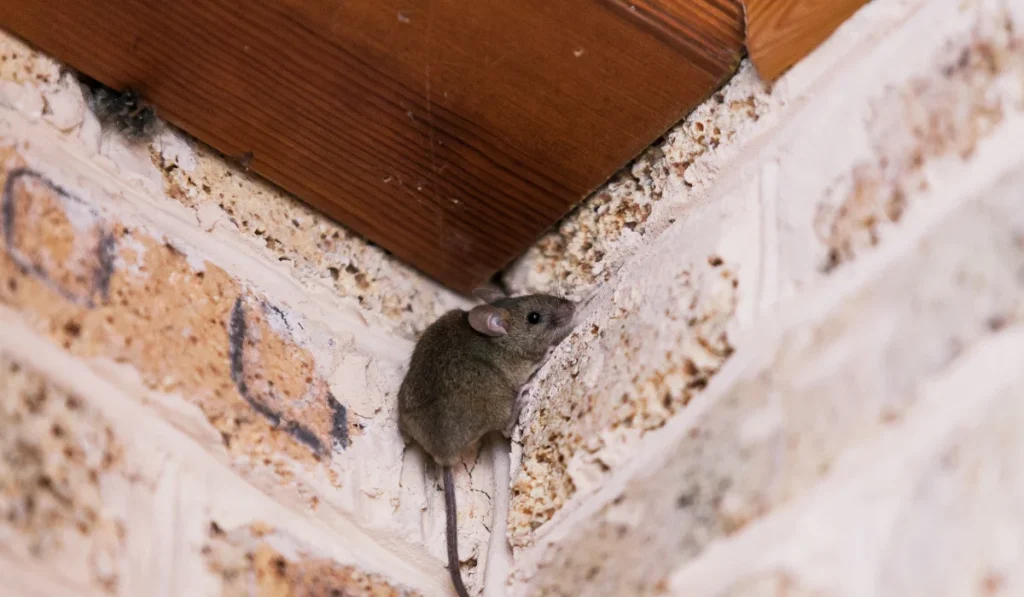
Scratching sounds in the ceiling can make anyone stop and listen. In Kennesaw, these noises often happen late at night or early in the morning when the house is quiet.
For homeowners, tenants, and property managers, the question is simple: Does that noise mean mice? Sometimes it does. Other times, it points to critters moving through attic spaces, wall voids, or along the roofline.
What matters most is acting on patterns, not just what you hear. A small nuisance can turn into a rodent problem that damages electrical wiring, insulation, and indoor sanitation, making mice control an important next step.
Key Takeaways
- Scratching sounds in the ceiling often point to mice, but other critters can cause similar noise.
- Droppings, gnaw marks, grease marks, and scurrying along baseboards often show rodent activity, but an inspection is needed to confirm the species.
- Act fast if you notice damaged electrical wiring, strong odors, or signs of a growing infestation.
- A pest control service can inspect entry points, find nesting areas, and create a rodent control plan.
What Scratching in the Ceiling Could Mean
Ceiling noise means something is active above you, but it does not identify the pest. Timing, sound patterns, and other signs help narrow it down.
Mice
Mice are a common cause of scratching noises inside walls. A field mouse or house mouse can move through insulation, wall voids, crawl spaces, and ductwork with light, quick motion. These sounds often come across as faint scurrying or tapping across the ceiling.
Roof Rats
Roof rats can sound similar to mice, but their movement is typically heavier. You may hear scurrying sounds near the roofline, eaves, or attic as they move through upper areas.
Squirrels and Other Wildlife
Not all scratching noises are from mice. Squirrels, birds, bats, and raccoons can also create noise overhead. These critters sound louder, with a thumping or rolling sound, and may require wildlife removal rather than rodent control.
HVAC and Building Movement
Sometimes, pests do not cause scratching noises. Expanding ductwork, loose vents, or shifting drywall can create similar sounds. If the noise follows a pattern or shows other signs of rodent activity, take a closer look.
Signs It May Be Mice
Noise alone cannot confirm a mouse infestation. Mice leave physical signs that help identify rodent activity.
Droppings Near Food Sources
Droppings are a clear sign of mice. These small, dark pellets often appear near food sources, inside cabinets, or along baseboards. When droppings appear with scratching sounds, a mouse infestation is more likely.
Gnaw Marks and Grease Marks
Mice chew constantly, leaving gnaw marks on wood, boxes, and electrical wiring. Grease marks may appear along walls where mice travel the same paths.
Nighttime Scurrying and Squeaking
Mice are most active at night. Scurrying, squeaking, or scratching noises at night or early morning often indicate activity inside walls or ceilings.
Nesting Materials in Hidden Areas
Mice use shredded paper, insulation, and fabric to build nests in wall voids, crawl spaces, and attic corners. Finding nesting materials usually means an established rodent infestation, though the size can vary.
When Ceiling Scratching Means You Should Act Fast
Some signs mean the problem is more than occasional noise and needs quick action.
You Notice Damage to Electrical Wiring
Rodents can chew through electrical wiring, creating a fire hazard. A mouse infestation in the ceiling can lead to contamination and structural damage over time.
The Noise is Getting Worse
If scratching sounds become more frequent or spread, it may show increased rodent activity. A small rodent problem can grow if there are multiple nesting areas and entry points.
You See Multiple Entry Points
Mice can enter through small gaps around doors, vents, and utility lines. If multiple entry points are present, trapping alone will not solve the issue. Sealing gaps with materials like steel wool is often part of proper pest control.
There are Odors, Stains, or Health Concerns
Strong odors, stains, and droppings point to a larger rodent problem. These conditions can affect food sources, indoor sanitation, and health risks if not addressed.
Schedule a Rodent Inspection in Kennesaw
If you hear scratching sounds from the ceiling, do not guess. Get clear answers. Smart Solutions Pest Control inspects the attic, wall voids, crawl spaces, roofline, and entry points to determine whether mice, roof rats, or other critters cause the issue.
Rodent control is more than setting traps. It starts with inspection, species identification, exclusion, and correction of the conditions attracting pests in the first place. It may include sealing gaps, removing food sources, clearing nesting areas, and creating a pest control plan that fits the property.
If you hear scratching noises overhead in Kennesaw, contact us to schedule a rodent inspection.
FAQs
Can mice live in the ceiling?
Yes. Mice nest above ceilings, inside walls, and around insulation, where they stay hidden and close to food.
What do mouse sounds in the ceiling usually sound like?
Most people describe them as light scratching, scurrying, squeaking, or quick movement at night.
Are scratching noises always mice?
No. Squirrels, birds, bats, and raccoons can also cause scratching noises. Sound patterns and inspection findings help confirm the cause.




